The Masters was happening at the same time we had a golf course home about to hit the market. So we built a campaign around it. We created AI-generated video, designed a Masters-themed property website, and merged the home’s actual golf course setting with the cultural moment everyone was already watching.
That’s not a standard listing launch, which is exactly the point. Every property we take on gets its own campaign, built from scratch, timed to what’s happening in culture, and aimed at a specific buyer. We don’t recycle templates. We don’t snap some photos and throw them on the MLS. We treat every listing like a product launch, because that’s exactly what it is.
If Coca-Cola or Ferrari were releasing a new product, they wouldn’t do it without that product looking its very best and the messaging tuned to the right audience. Why would we do anything different with someone’s home?
Find It Fast
Every property gets its own campaign development meeting
We have what we call our campaign development team, and we meet about every listing, every buyer. We talk strategy. We talk about unique hooks, because every property has something a little different. And we flush those out as a group before a single piece of marketing gets created.
This is where the creative starts. What’s the story of this home? Who is the most likely buyer? What’s happening right now, in the market, in the neighborhood, in culture, that we can connect to? The answers are different every time, and the marketing should reflect that.
A lot of agents will tell you they market every listing differently, and what they mean is they change the photos and the copy. We’re talking about a fundamentally different approach: a full campaign strategy session before any content is produced.
Here’s the key: the buyer drives the marketing, not the listing.
Behavioral data tells you who the buyer is and where to find them
There’s a ton of data available about the people living in any given neighborhood or area. We go deep on this, and we’re looking at more than demographics. Yes, we look at age, income, household size, and industry. But we also look at behavioral information.
Do they carry credit card debt? Do they watch country music television? Do they travel internationally? Are they DIYers? Do they prefer American-made cars or foreign?
All of that data suggests who our most likely buyer is. And once you know who they are, you know how to talk to them. You know what story to tell. You know what platforms they’re on.
A campaign for a modern downtown condo aimed at a 30-something creative professional looks completely different from a campaign for a five-acre estate aimed at a young family. The creative, the channels, the tone, the hooks, all of it changes.
This is what allows us to tailor everything into a bespoke marketing plan that’s specific to each property. It takes the guesswork out. We’re making data-driven decisions about who we’re talking to and how we’re reaching them.
Creative should match the property, not your brand template
We had a listing with a professional music studio in the basement. We’re in Nashville, so this matters. We designed a physical marketing piece that looked like an album cover, and we delivered it to music industry executives.
That’s the kind of creative that gets attention, because it speaks directly to the person most likely to care about the property.
My role, honestly, is figuring out how to break the current process and make it better. Jokingly, my title is Chief Troublemaker. What are the best practices from other industries that we can apply to real estate? What are the things we can continue to improve on? You can always make things better. We never stop that pursuit.
A big part of how we got here was bringing Van Hohe, our Chief Experience Officer, into our world. Van’s background is in the music industry, where he did image consulting for bands. He would figure out what their image needed to be, who their market was, how they needed to present themselves.
It took me a little time to convince him, but the pitch was simple: we’re doing the same thing with real estate. We’re packaging a product, trying to make it appeal to the most likely target market, and building a brand around it. Those skills translate directly.
Staging is part of the product, not an add-on
I recognized many years ago that staging was a critical component. At that time, there were no stagers around, no great furniture rental options. One company existed and the quality was low for a ridiculous price. So we started building our own staging inventory.
Many people would have charged their clients back for that. We just saw it as a necessary line item in our marketing budget. Because if we list it, we intend to sell it. And that means the home has to look its very best.
I want to be clear about what we mean by staging, because words get a little watered down over time. When HGTV came along and you had shows like Design on a Dime, people started gathering trash can lids and twigs from the garden and calling it staging.
That’s not what we do. We bring in expensive artwork, high-quality furniture, and design the space to feel aspirational. The goal is to create an emotion, to make a buyer walk in and think “I can live like this.” Every piece in the home should feel like a level up from anything else at that price point.
A 30-day marketing plan isn’t enough anymore
We’ve recently expanded our bespoke marketing plan to 90 days in length. The reason is straightforward: average days on market is longer than it used to be. A marketing plan that runs out of steam at the 30-day mark leaves your seller exposed during the exact period when creative, targeted outreach matters most.
Our 90-day plan has three distinct phases, each with its own messaging, channels, and hooks. Each phase has different messaging, different channels, and different hooks, all informed by what the data is telling us about buyer engagement.
If a property hasn’t moved in the first 30 days, we don’t just keep running the same ads. We regroup, look at the data, adjust the story, and launch a new phase.
This goes back to the campaign development team. Because we’re meeting regularly about every listing, we’re catching signals early and adapting. We’re not waiting for a price reduction conversation. We’re actively managing the marketing like you’d manage any product launch that isn’t hitting its targets.
A certified pre-owned home sells differently
A thoughtful marketing strategy gets the right buyer to the table. What happens next is just as important.
We set up a program we call certified pre-owned. Before a home goes on the market, we have it pre-inspected. We sit down with our sellers, go through that report together, and decide which repairs are going to matter to any buyer. We make those repairs. Then we disclose everything to potential buyers upfront: here’s the inspection report, here’s what’s been addressed, and the home comes with a warranty and a professional deep clean.
The whole package keeps our sellers in the power position. Right now, buyers are doing everything they can to get incentives, and one of the most common tactics is coming back after an inspection and asking for $30,000 off the price.
When we’ve already had the home inspected and repaired, our sellers have the data to know exactly where they stand. There are no surprises, and there’s no room for a renegotiation that isn’t warranted.
It also speeds everything up. Fewer deals fall through. The buyer has confidence in what they’re getting. And here’s something we didn’t fully expect when we started doing this: agents on the buy side started seeking out our listings.
They knew our properties would look great, be priced appropriately, and show well. When you make the experience better for everyone in the transaction, including the other agent, your reputation builds in ways that bring business back to you from directions you didn’t anticipate.
The good news is you can start this tomorrow
We didn’t build all of this overnight. We started with one conviction, that every home deserved to be presented like a product worth buying, and we kept adding layers over the years. The campaign development team, the behavioral data, the 90-day plan, all of that came with time and experience.
But the core shift? That can happen with your very next listing. Sit down before the photos are taken and ask yourself who the most likely buyer is. Look at the data. Think about what’s happening in your market, in culture, right now. Build one piece of creative that could only work for that specific property. That’s where it starts.
And once you see the difference it makes in the quality of your showings and the speed of your offers, you won’t go back to the template. I promise you that.
About the author

Real Estate Broker and Co-Founder of CHORD Real Estate
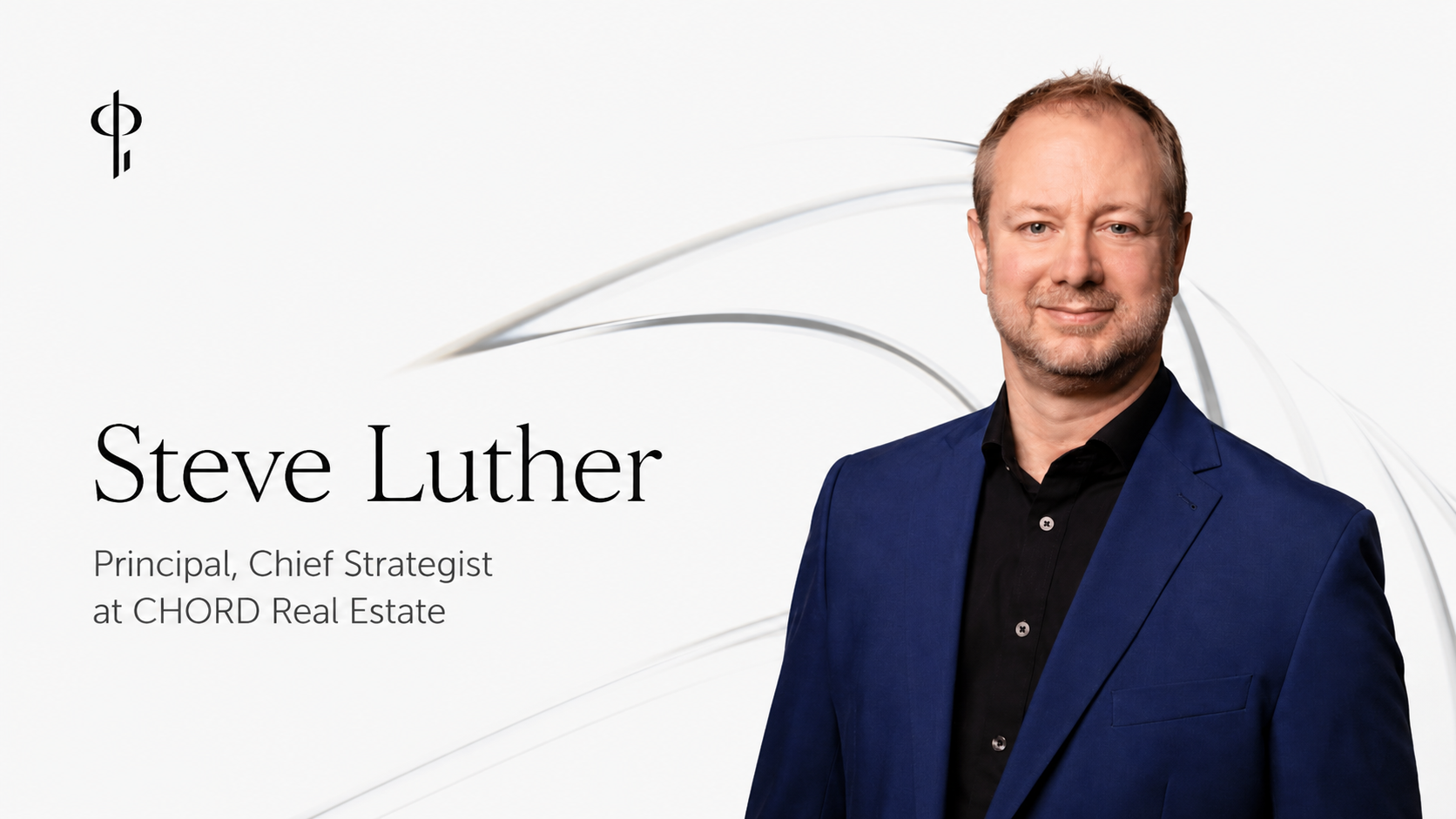
Steve Luther is a seasoned real estate broker, entrepreneur, and co-founder of CHORD Real Estate, a Nashville-based brokerage he launched in 2016 alongside Ashley Luther and Van Hohe. With more than two decades of experience in the industry, Luther began his career after nearly ten years in technology management, bringing a systems-driven, strategic mindset to real estate. At CHORD, Luther serves as a principal, strategist, and advisor, helping shape the firm’s concierge-style, relationship-first approach to real estate. He is also recognized for his insights into international investment, particularly in emerging markets like Panama, where he guides U.S. clients seeking diversification opportunities abroad.