
A step-by-step guide to increasing awareness and brand recognition for your real estate business through magazines.
Getting featured in a real estate magazine is one of the fastest ways to build authority, attract new clients, and separate yourself from every other agent in your market. In 2026, earned media placements in publications like Realtor Magazine, Inman, and The Real Deal carry more weight than ever because buyers and sellers research agents online before making contact. A single quote or profile in the right publication can put your name in front of thousands of prospects who would never have found you through paid ads alone. This guide walks you through an eight-step process for pitching editors, landing placements, and converting that press coverage into real business.
Key Takeaways
- Earned media in a real estate magazine costs nothing in ad spend but requires a deliberate outreach strategy built on editor relationships and targeted pitches.
- Name specific publications that match your niche, from trade outlets like Inman to consumer titles like Architectural Digest, and tailor every pitch to that outlet’s audience.
- Use a structured pitch email with a clear subject line, a local data point, and a specific ask to stand out in crowded editor inboxes.
- Track every pitch, follow-up, and response in a simple spreadsheet or database so no opportunity falls through the cracks.
- Prepare your website, professional photos, and Search Engine Optimization (SEO) before your first placement goes live so that new visitors convert into leads.
- As of 2026, journalist request platforms like Qwoted, SourceBottle, and Featured.com have replaced discontinued services and remain active channels for earning media coverage.
Why Real Estate Magazines Matter in 2026
When your name appears in a respected publication, readers associate you with the authority of that outlet. This is the core principle behind earned media: you borrow the trust a magazine has already built with its audience. Unlike paid real estate advertising, a feature article or expert quote positions you as a source rather than a sponsor. That distinction matters to consumers who are increasingly skeptical of ads.
Magazine placements also reach people you would never encounter through your existing network. A profile in Mansion Global puts your name in front of affluent buyers across the country. A quote in Realtor Magazine reaches hundreds of thousands of practicing agents who may send you referrals. Each placement compounds over time, building a public record of credibility that shows up whenever someone searches your name.
Unlike paid advertising for real estate, earned media placements typically require no direct media spend. The investment is time: researching publications, building editor relationships, and crafting targeted pitches. Once someone encounters your name in a trusted publication, they become a warm lead (a prospect already familiar with your name and more likely to convert without cold outreach). That is a return on effort that compounds with every additional placement.
That mindset captures the real reason magazine features matter. They put you in front of the right audience before your competitors get there. Every quote, every profile, every bylined article is a deposit into a credibility account that pays dividends for years.

How to Get Featured in a Real Estate Magazine
Getting press coverage is not random. It follows a repeatable process. The eight steps below cover everything from identifying the right outlets to converting a published feature into new business. Follow them in order, and you will have a working media outreach system within 30 days.
Target publications by audience type
Before you pitch anyone, know where you want to appear. Different publications serve different audiences, and matching your expertise to the right outlet is the first filter editors apply when deciding whether to respond. Here are six publications worth targeting in 2026, along with the type of pitch that fits each one.
| Publication | Audience | Best Pitch Type |
| Realtor Magazine | NAR members and practicing agents | Agent productivity, market trends, professional development |
| Inman | Tech-forward agents and brokerages | Proptech, brokerage strategy, agent business models |
| The Real Deal | Commercial and residential professionals in major metros | Data-driven market analysis, notable transactions |
| Mansion Global | Affluent buyers and luxury agents | High-end listings, international market expertise |
| Architectural Digest | Design-conscious consumers and industry professionals | Design-forward properties, architecture and lifestyle angles |
| Robb Report | Ultra-high-net-worth readers | Trophy properties, luxury market trends, lifestyle real estate |
Start with two or three publications that align with your market and price point. You do not need to pitch all six at once. Depth of relationship with one editor is worth more than shallow outreach to a dozen.
Build relationships with editors and writers
Building relationships with editors and writers is the single most important step in real estate media outreach. Without a relationship, your pitch lands in a pile of cold emails. With one, it lands in a familiar inbox.
Start by identifying the specific journalists who cover your market or niche. Read their bylines. Follow them on X (formerly Twitter), LinkedIn, and Instagram. Comment on their articles with a specific observation, not a generic compliment. Send a short introductory email that references a recent piece they wrote and explains what you appreciated about it.
The goal is name recognition. When you eventually send a pitch, the editor should already know who you are. The more writers and editors who recognize your name, the more frequently your expertise will appear in print. Becoming a go-to source for a writer or publisher means your name appears in articles repeatedly, without additional outreach effort each time.
Be a conscious consumer of real estate media
Read the publications you want to appear in. Study them the way you would study a neighborhood before listing a home. Pay attention to the writing style, the types of sources quoted, the angles that get covered, and the topics that recur across issues.
Keep a running list of observations as you read. Note which articles feature agent quotes, which rely on data, and which tell personal stories. This research will directly inform your pitches. When you can reference a specific article and explain how your perspective adds a new dimension, editors pay attention.
Avoid one-size-fits-all messages
A copy-and-paste email will not get you featured. Each publication has its own voice, audience, and editorial calendar. A pitch that works for Inman will not work for Architectural Digest.
Create a loose template that covers the basics: your introduction, your area of expertise, and your proposed angle. Then edit every pitch to reflect the specific publication you are contacting. Reference a recent article. Name the section of the magazine where your idea would fit. Show the editor that you have done the work of understanding their readers.

Find your angle
Stay current with local and national real estate news. Formulate your ideas around market trends, housing data, and policy changes as they develop. Keep a running list of topics you could speak about with authority, and match those topics to the publications you have been studying.
Sometimes you are the angle. Your personal story, your path into real estate, or a distinctive approach to real estate personal branding can be the hook that makes an editor say yes. Ask yourself: what is different about how I serve my clients, and what would other agents or consumers find useful to learn?
You do not need a brand-new concept. A fresh perspective on an existing topic, backed by local data or a recent transaction example, is often enough. Editors want specificity, not novelty for its own sake.
Pitch, pitch, pitch
Once you have a topic, an angle, and a target publication, send the pitch. Write to the contacts you have been building relationships with. Email is the standard channel, but if you have been engaging with an editor on X, a direct message is a legitimate pitch channel as well.
There is no limit to how many pitches you should send. Volume matters. Send as many customized pitches as your schedule allows. Every pitch is a chance to appear in publications your target clients already read.
Here is a pitch email structure you can adapt for any outlet:
Subject line: [Local market insight] + [Timely news hook] + [Your name or market]
Example: “Why Austin Luxury Inventory Is Tightening in Q3 2026: A Ground-Level View”
Opening line: Reference a specific article the publication ran recently. Explain why your perspective adds a new angle to that coverage.
Story angle: One sentence stating the specific claim or insight you want to share, tied to a local data point or recent transaction.
Local expertise: Two sentences establishing your market credentials: years active, transaction volume, specific neighborhoods or price points you cover.
Supporting data: One cited statistic or market figure that validates your angle. Pull from MLS data, your brokerage’s market reports, or public county records.
Call to action: A specific ask. Example: “I’d welcome a 15-minute call to discuss whether this angle fits your editorial calendar for Q4 2026.”
Editors receive dozens of pitches per week. The ones that get responses are specific, concise, and tied to something the publication’s readers care about right now.
Stay organized
With multiple publications, editors, pitch ideas, and follow-up dates in play, you need a tracking system. As of 2026, a simple Google Sheet or Notion database is sufficient for most agents. Track each outreach effort with these six columns:
- Outlet: The name of the publication.
- Editor name: The specific contact you pitched.
- Pitch date: When you sent the pitch.
- Follow-up date: When you plan to follow up (no sooner than five business days after the initial pitch).
- Status: Sent, responded, declined, or placed.
- Result: The published link or notes for future reference.
Review the sheet weekly. Editors and writers are busy, and silence after your first email does not mean they are uninterested. Follow up two or three times after each pitch unless they tell you the answer is no. Even a rejection is a contact made. You can use that relationship to pitch again when you have a better-fitting angle. A strong lead management habit applies to media outreach just as much as it does to client follow-up.
Prepare your website and photos
Before your first placement goes live, make sure your online presence is ready to convert the attention into business. Many publications maintain digital versions of their articles, which means every feature is an opportunity to drive traffic to your website.
The backlinks to your website (inbound links from other sites that signal authority to search engines) will improve your Search Engine Optimization (SEO). That means you show up in search results for prospects who have never read the article. The added visibility makes the quality of your website more important than ever.
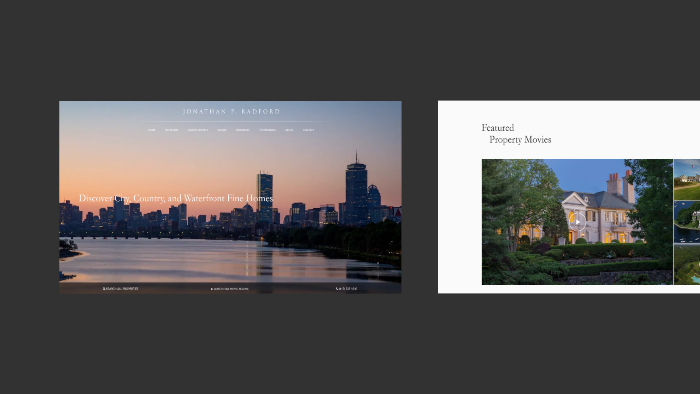
Invest in your custom realtor website design so that every link and reference from a magazine leads visitors to the strongest possible representation of your brand. Confirm that your site is well-organized, loads quickly, and includes clear calls to action so visitors know how to contact you.
That kind of alignment between your press coverage and your digital presence is what turns a magazine reader into a phone call.
Publications also need images. Prepare at least three asset types before you pitch:
- Professional headshot: Clean background, high resolution (minimum 300 DPI for print, 1920px wide for digital).
- Lifestyle photos: Images of you in your market, at a listing, at a neighborhood landmark, or with clients.
- Listing photography: High-resolution images of properties you represent. Confirm usage rights with your photographer before submitting to any publication.
For guidance on producing publication-ready imagery, review this resource on how to take professional photos for real estate.
Be a resource for journalists in 2026
Beyond direct pitching, you can position yourself as a source that journalists come to when they need an expert quote. As of 2026, the journalist request platforms most active in real estate coverage include Qwoted (qwoted.com), SourceBottle (sourcebottle.com), and Featured.com. Each platform sends daily or weekly digests of reporter queries. Respond to relevant requests within 24 hours, as most journalists work on tight deadlines.
Magazines outside of real estate trade publications also cover housing, design, and market trends. Publications like Forbes, Bloomberg, and local business journals regularly seek agent perspectives for consumer-facing stories. You want to be the expert they quote. Monitor journalist request platforms, set up keyword alerts for “real estate” and your local market, and respond with a concise, data-backed answer every time.
The process of getting featured in the media can feel slow at first. But all it takes is one well-placed quote or one strong editor relationship to open the door to repeated coverage. Stay consistent, track your outreach, and treat every pitch as practice for the next one.
Turning Magazine Features Into Real Estate Leads
Getting featured in a real estate magazine works best when you treat it as a repeatable system, not a one-time win. Start with the publications that fit your audience, build real relationships with editors, and send pitches that lead with timely data and a clear angle. Once your coverage goes live, make sure your website, photos, and follow-up process are ready so the attention turns into lasting credibility and new business.
FAQs
Build a plan for optimum visibility
Luxury Presence complements your PR efforts with personalized services. Learn how our expert team can supercharge your earned media strategy.

About the author

Marketing Manager
Kate Evans is a content marketing strategist at Luxury Presence, the leading growth platform for high-performing real estate professionals. She develops data-driven editorial content and supports SEO strategy and brand voice frameworks that help agents attract qualified leads and establish market authority. Her published work covers topics including CRM strategy, social media marketing, and digital growth, supporting thousands of agents in scaling their businesses through modern marketing.