Real estate video marketing is one of the most effective ways to showcase properties, build trust with buyers and sellers, and grow your business in 2026. Whether you are filming a quick walkthrough on your phone or producing a polished neighborhood guide, video gives potential clients something that photos and text simply cannot: a real sense of who you are, how you work, and what it feels like to step inside a home. In a market where 58% of buyers expect to see video of a home they are considering online (Wyzowl, 2026), agents who show up on camera are the ones who stay top of mind.
The good news? You do not need a production crew or a big budget to get started. You can begin with a simple property tour, a short introduction video, or a neighborhood highlight reel, and build from there. This guide walks you through everything you need to know about real estate video marketing: why it matters, which types of videos to create first, how to promote them, and how to measure what is working.
Key takeaways
- Real estate listing videos generate up to 40% more inquiries than listings without video, making them one of the highest-return marketing activities an agent can invest in.
- You do not need expensive equipment to start. A smartphone, natural light, and a simple plan are enough to create property tours, agent introductions, and neighborhood guides that connect with buyers.
- Short-form vertical video (15 to 60 seconds) dominates engagement on Instagram Reels, TikTok, and YouTube Shorts in 2026, giving agents a fast path to visibility.
- Your website is the anchor for your entire video strategy. Embedding videos on a well-designed site increases views, supports search engine rankings, and gives potential clients a clear next step.
- Tracking return on investment (ROI) through click-through rates, conversion rates, and retention rates helps you understand which videos drive real business results, not just views.
What is real estate video marketing?
Real estate video marketing refers to any video content created to promote properties, real estate services, or an agent’s local expertise. This includes property walkthroughs, virtual tours (pre-recorded or live video presentations that allow buyers to view a home remotely), drone footage, client testimonials, neighborhood guides, and educational content about the buying or selling process.
What makes video different from photos or written descriptions is the way it holds attention. Viewers retain information better when it is presented in a moving, visual format. They also get a feel for the agent behind the listing, which is where trust begins to form. The goal of a strong video strategy is to turn that attention into leads through your website, social media, email campaigns, and paid advertising.
“Watching a well-produced video of a home for sale is a much different experience for a buyer than scrolling through photos.”
— Shannon Gillette, Real Estate Agent and Video Marketing Advocate
That difference in experience is exactly why video has become a non-negotiable part of marketing for agents who want to stand out. When a buyer can see the flow of a floor plan, hear an agent describe the neighborhood, and picture themselves in the space, the connection to the listing becomes much stronger than anything a slideshow can create.
Why real estate video marketing matters: key statistics and trends

If you have been on the fence about adding video to your marketing, the numbers tell a clear story. Video is not a nice-to-have anymore. It is one of the most direct paths to generating leads, building your brand, and selling homes faster.
Statistics that matter for agents in 2026
- 88% of video marketers report that video has helped them generate leads (SellersCommerce, 2026).
- 73% of homeowners say they would be more likely to list with an agent who uses video in their marketing.
- Listings promoted with video receive up to 40% more inquiries than those without (Digital Consulting Pandit, 2026).
- Real estate listings promoted on social media sell at a 23% faster pace.
- Video content leads to a 157% increase in organic traffic from search engines.
- Including video in email campaigns boosts click-through rates by 65%.
Why video keeps gaining ground in real estate
Several factors are driving the continued rise of video as a marketing tool for agents and brokerages.
- Lower barriers to entry: Creating and sharing video has become more affordable than ever. A smartphone with a good camera, natural lighting, and a free editing app are enough to produce property tours and short-form content that resonates with buyers.
- Shifting buyer expectations: Buyers in 2026 expect to preview homes through video before scheduling a showing. Agents who meet that expectation earn attention earlier in the search process.
- Higher engagement rates: Video content consistently earns more likes, shares, comments, and saves than static images or text posts. This is because video communicates a message quickly and visually, making it easier for viewers to absorb information while scrolling.
- Competitive differentiation: As more agents adopt video, those who skip it risk blending into the background. A consistent video presence signals professionalism and local expertise in ways that a business card or flyer cannot.
Three types of real estate videos to try in 2026

If you are new to real estate video production or simply looking for fresh content ideas, these three formats are the best place to start. Each one serves a different purpose in your marketing, and none of them requires a professional videographer to pull off well.
| Video type | Purpose | Best platform | Suggested length |
| Agent introduction | Build trust and personal connection | Website, Instagram, YouTube | 60 to 90 seconds |
| Property tour | Showcase listings and drive inquiries | YouTube, website, Facebook | 2 to 4 minutes |
| Neighborhood guide | Demonstrate local expertise for remote buyers | YouTube, Instagram Reels, TikTok | 60 seconds to 3 minutes |
Agent introduction videos
An agent introduction video is your chance to let potential clients see and hear you before they ever pick up the phone. Keep it brief: share a short professional background, explain what you specialize in, and give viewers a sense of your personality. The goal is not perfection. It is connection. People want to work with someone they feel they already know, and a 60-second video can do more for that than a page of written copy.
Property tour videos
Property tour videos are the most common type of real estate listing video, and for good reason. They give buyers a detailed look at a home’s layout, finishes, and flow in a way that photos alone cannot. You can film these on a smartphone or with professional equipment depending on your budget. Walk through the home as if you are showing it to a friend: point out what makes the space special, mention the neighborhood, and end with a clear call to action.
Neighborhood guide videos
Neighborhood guides are especially valuable for out-of-town buyers who want to understand the lifestyle of a new area before visiting. Film short clips of local parks, restaurants, schools, coffee shops, and community events. Narrate what makes the neighborhood unique and why your clients love living there. These videos position you as the local authority, which is one of the strongest differentiators an agent can have.
How to create a real estate video marketing strategy
Creating video content without a plan is like hosting an open house without putting up a sign. You might get a few visitors, but you will miss the people who would have shown up if they knew where to find you. A simple strategy keeps your efforts focused and your results measurable.
Define your target audience and set specific goals
Start by getting clear on who you are trying to reach. Are you speaking to first-time buyers, luxury sellers, relocating families, or investors? Determine the demographics, interests, and needs of the audience you want to attract. Then set a specific goal for each video: generate listing inquiries, grow your email list, or build brand awareness in a target neighborhood. When you know who you are talking to and what you want them to do, every video becomes more intentional.
Plan your content and storyline before filming
Resist the urge to wing it. Before you hit record, make a short list of the points you want to cover. If you are filming a property tour, note the features and selling points you want to highlight so you do not forget them in the moment. If you are creating a neighborhood guide, map out your route and the stops you want to feature. A simple outline keeps your video focused and saves you time in editing.
Prepare your videos for search engines
To get your videos in front of more people, use relevant keywords in the title, description, and tags. For example, a property tour in Austin should include phrases like “Austin home tour” or “homes for sale in Austin” in the video title and description. Once your videos are ready, share them across social media and embed them on your website to increase visibility. Use analytics tools to monitor views, engagement, and conversions from day one.
Keep it consistent, not complicated
The agents who see the best results from video are not the ones with the highest production budgets. They are the ones who show up consistently. As Ryan Serhant’s team noted in their 2026 marketing trends report, “Video does not need to be overly produced to be effective. What matters most is presence, perspective, and the ability to explain value simply” (Serhant, 2026). Aim for a regular cadence, whether that is one video per week or two per month, and build from there.
Where to promote your real estate videos
Creating a great video is only half the work. The other half is making sure the right people see it. In 2026, short-form vertical video (15 to 60 seconds) dominates engagement on Instagram Reels, TikTok, and YouTube Shorts, consistently outperforming static posts in both visibility and reach (AmeriTitle, 2026). But short-form is not the only format that works. Longer property tours and educational content perform well on YouTube and your own website.
Here is where to promote your real estate videos, broken down by channel type.
Social platforms
- YouTube: The world’s largest video platform and the second-largest search engine. Upload full-length property tours (2 to 4 minutes), neighborhood guides, and market updates here. Use keyword-rich titles and descriptions to help your videos appear in search results. YouTube Shorts (under 60 seconds) are also a strong format for quick listing teasers and agent tips.
- Instagram: Reels are the highest-performing content format on Instagram in 2026. Post 15- to 60-second vertical videos showcasing listings, neighborhood highlights, or behind-the-scenes moments. Use location tags and relevant hashtags to reach buyers searching in your market.
- Facebook: Upload videos directly to your business page and share them in local community groups. Facebook’s algorithm favors native video over external links, so upload directly rather than sharing a YouTube link. Longer-form content (1 to 3 minutes) tends to perform well here.
- LinkedIn: A strong channel for reaching referral partners, investors, and relocating professionals. Upload market updates and thought-leadership videos to your LinkedIn profile to build credibility with a professional audience. Keep videos under 2 minutes for the best engagement.
- TikTok: Short, personality-driven videos perform well here. Think quick listing tours, “day in the life” content, and local tips. TikTok’s algorithm surfaces content to new audiences based on engagement, making it one of the fastest ways to build visibility even with a small following.
“You now have the ability to be your own CNN, CNBC, Fox, whatever it is. You now control the narrative of real estate in your market via video.”
— Glennda Baker, Real Estate Agent and Video Content Creator
That shift in control is what makes social media video marketing so powerful for agents. You do not need to wait for a media outlet to feature your listing or your expertise. You can publish your own story, on your own schedule, to an audience that is already searching for what you offer.
Owned channels
- Your website: A well-designed, searchable website is the best place to host your full video library. Embed property tours on listing pages, add your introduction video to your about page, and feature neighborhood guides on area-specific pages. This keeps visitors on your site longer and supports your search engine rankings.
- Email marketing: Including video in your email campaigns is one of the most underused tactics in real estate. Add a video thumbnail with a play button that links to the full video on your website or YouTube channel. This drives traffic back to your owned platforms and gives subscribers a reason to engage with every send.
Offline channels
- Local events: Home shows, property exhibitions, and community events are great opportunities to display your videos on a screen or tablet at your booth. This gives attendees an immediate sense of your listings and your brand.
- Local media: Many local TV stations and online publications feature real estate segments. Pitch your best property tour or market update video to your local station’s lifestyle or real estate producer. A single feature can drive significant traffic to your website and social profiles.
Measuring real estate video marketing ROI
Knowing which videos drive real business results, and which ones just collect views, is what separates a video hobby from a video strategy. Through social media analytics, Google Analytics, and customer relationship management (CRM) tools like Luxury Presence’s CRM, you can track how your videos are performing across every channel.
Metrics and tools for tracking performance
Here are the numbers worth watching and what each one tells you about your video marketing efforts.
- Click-through rate (CTR): This measures the percentage of viewers who click through to your website or another destination after watching your video. A low CTR may mean your call to action needs to be clearer or more compelling.
- Conversion rate: This reflects the percentage of viewers who take a specific action after watching, such as filling out a contact form or scheduling a showing. It is the most direct measure of whether your video is generating leads.
- Retention rate: This measures how long viewers watch your video before dropping off. If most viewers leave after the first few seconds, consider shortening your intro or leading with the most interesting content.
- A/B testing: This is the practice of creating two versions of a video or its thumbnail, changing one element, and comparing the performance of each version. A/B testing helps you understand which titles, thumbnails, or calls to action drive the best results.
- Sales revenue from video leads: This measures the total revenue generated from leads that originated through your video content. Tracking this number over time shows you the real return on your video marketing investment.
The analytics tools you choose will help you see what is working and where you can improve. To understand your video marketing ROI and make informed decisions about your strategy, track these numbers from the first video you publish.
Your website is the foundation for video marketing success

Your videos will live on YouTube, Instagram, TikTok, and other platforms. But your website is the one place where you control the experience from start to finish. It is where potential clients go to learn more about you after watching a video, and it is where casual viewers become real leads.
A strong website supports your video strategy in several specific ways.
- Showcase your videos in context. Embedding property tour videos on listing pages and neighborhood guides on area pages gives visitors the information they need without leaving your site. This increases time on page and encourages them to take the next step.
- Provide supporting details. Your website adds context that a video alone cannot cover: property specs, pricing, school district information, and your full bio. This combination of video and written content helps visitors feel informed and confident in reaching out.
- Support search engine rankings. Pages with embedded video tend to rank higher in search results because they signal quality content and keep visitors engaged longer. Pairing video with keyword-rich page copy gives you the best chance of appearing when buyers search for homes in your market.
- Reach mobile users. The majority of home searches in 2026 happen on mobile devices. A website built for mobile ensures your videos load quickly, play smoothly, and display properly on any screen size.
- Create clear calls to action. After a viewer watches your video, your website gives them a clear next step: schedule a showing, request a market report, or contact you directly. Without a well-designed site, that viewer may watch your video and move on without ever becoming a lead.
A well-designed website ties your entire video marketing strategy together. While your videos will reach audiences across social media and video-sharing platforms, your website remains the single source of truth for clients who want to learn more about your expertise and your listings.
Sources
- Wyzowl, “Real Estate Video Marketing,” 2026
- SellersCommerce, “Video Marketing Statistics,” 2026
- Digital Consulting Pandit, “Real Estate Marketing Stats,” 2026
- AmeriTitle, “4 Social Media Trends Real Estate Professionals Should Know in 2026,” 2026
- Serhant, “The Future of Real Estate Marketing: Trends Every Agent Needs to Watch in 2026,” 2026
- RealtyCandy, “Real Estate Marketing Trends to Watch in 2026,” 2026
FAQs
Post with confidence
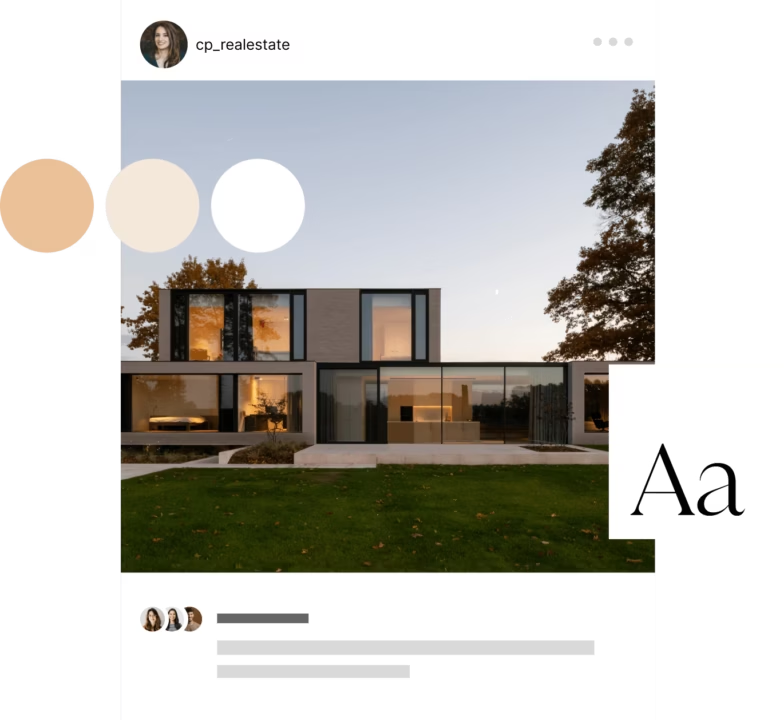
Maintaining a consistent, on-brand social media presence is crucial in real estate. Download our social media calendar for 30 days of inventive content ideas tailored to the industry.
Ready to grow?
Turn your content into your best lead source
See how Luxury Presence helps agents turn website visits into closed deals