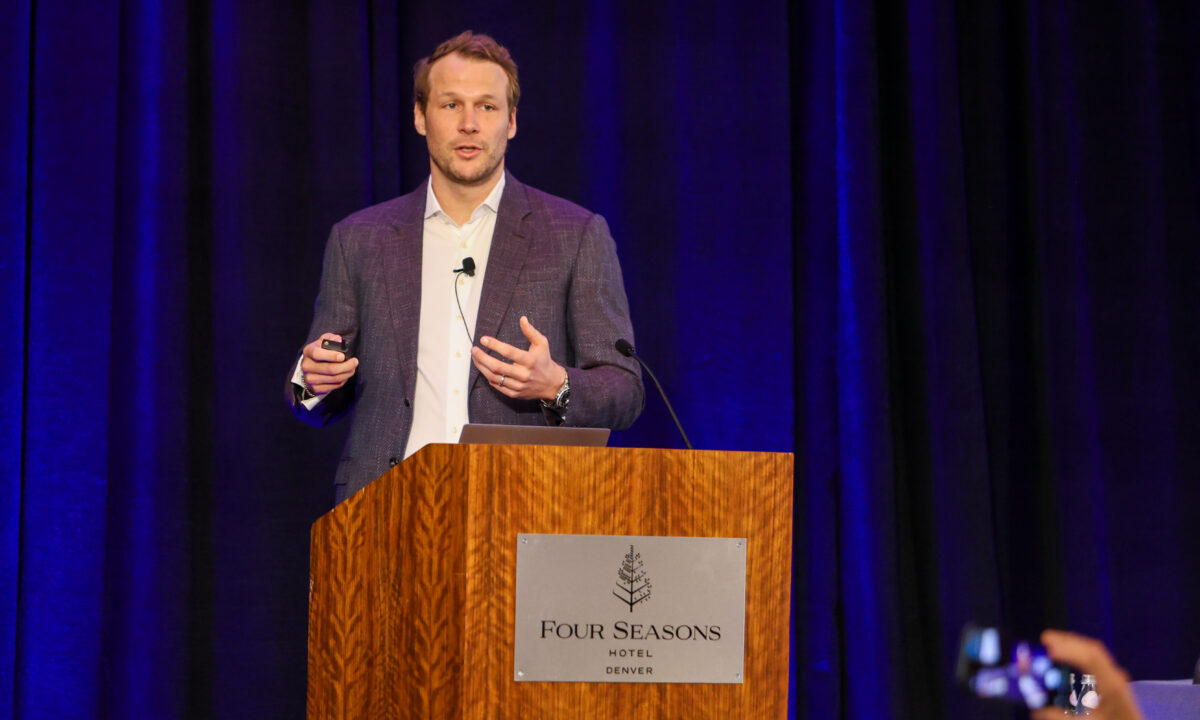
In 2026, the brokerages pulling ahead share two traits: a brand identity sharp enough to attract both clients and agents, and a real estate recruitment strategy built on data rather than gut instinct. Those were the twin themes of the October 16, 2024 Presence Panel, Luxury Presence’s recurring webinar series, titled “Future-Proof Your Brokerage: Tools and Strategies to Stay Competitive.” The insights from that session have only grown more relevant as commission structures shift, agent mobility accelerates, and consumers grow more selective about the professionals they trust. What follows is a distillation of the panel’s sharpest guidance on brokerage branding strategies, recruitment, and the technology that ties both together, updated with fresh data for the year ahead.
Find It Fast
Key takeaways
- Your brand is defined by public perception, not internal messaging. Brokerages that cannot articulate a clear differentiator in two sentences will struggle to grow in 2026.
- Brand-mature agents deliver measurably higher value. Agents with a recognizable identity command higher sales prices than agents whose only offering is MLS access.
- Agent mobility is rising fast. In the 12 months ending in October 2024, twice the number of top producers changed firms compared with the prior 12-month period, creating both risk and opportunity for brokers.
- Recruitment works best through attraction, not volume. Brokerages that target agents aligned with their culture and values outperform those chasing every available candidate.
- Technology is the connective tissue. From predictive analytics to AI-driven personalization, the right tools help brokers identify, reach, and retain the agents who fit their brand.
- Social media has shifted from marketing channel to credibility proof. In 2026, consumers visit social profiles to verify an agent’s track record before making contact.
Why brand differentiation is non-negotiable in 2026

Chris Linsell, director of content at Luxury Presence, opened the panel with a statement that should be pinned above every broker’s desk: “Your brand is not what you say it is. It is what they say it is.” That single line reframes the branding challenge for 2026. In a market where 88% of homebuyers still find their home with an agent or broker (HousingWire, 2026), the question is not whether consumers need you. The question is whether they can tell you apart from every other brokerage in the search results.
Lead with your “why,” not your “what”
Linsell urged brokers to anchor their brand in purpose rather than services. “The strongest brands aren’t built on what you do but why you do it,” he said. A brokerage that leads with its mission, whether that is deep neighborhood expertise, a commitment to first-time buyers, or a track record in waterfront properties, gives agents and consumers a reason to choose it over a generic competitor. “If you can’t, in a couple of sentences, demonstrate why there is something that you do better than anyone else, your growth will be limited,” Linsell warned. That pressure is only increasing. As NAR’s Realtor Magazine reported, 2026 will belong to firms that prioritize personalized support, community, and agile leadership (NAR Realtor Magazine, 2026). Differentiation is no longer a luxury. It is a survival requirement.
Recruit through brand identity
Tripti Kasal, senior vice president of member engagement at Leading Real Estate Companies of the World (LeadingRE), reinforced the point from the recruitment side. She noted that the most effective recruiting happens “through attraction,” where agents are drawn to a brand that aligns with their values.
“If your target audience is everybody, your target audience is nobody. The biggest mistake companies make is thinking they’re going to attract everyone by making the brand generic, when in essence, they won’t attract anybody.”
— Tripti Kasal, SVP of Member Engagement, LeadingRE
Kasal urged brokers to define who they want to attract and build a brand that reflects the brokerage’s mission, values, and strengths. A targeted message resonates with the right agents and builds loyalty over time. A generic one disappears into the noise.
Social media as credibility proof
Linsell identified a shift in how consumers interact with social platforms that brokers cannot afford to ignore. “Social media has shifted from being a communication channel to a place where clients go to see that you are who you say you are,” he said. In 2026, 82% of real estate businesses use social media as a marketing tool, and 92% of those rely on Facebook as their primary platform (Digital Agency Network, 2026). Brokers should treat their social profiles as proof of credibility and track record, not simply as advertising space.
The corporate importance of individual branding
A brokerage brand is only as strong as the agents who carry it into the field. In a market where the majority of real estate leads come from referrals, according to NAR research, building a memorable agent-level brand identity is directly tied to a full transaction pipeline. Linsell drew a sharp line between “brand-mature” agents, those who have a clear and recognizable identity, and “generic agents” whose services are limited to MLS access and property listings. According to NAR data, brand-mature agents have historically commanded 3% to 5% higher sales prices than generic agents. That gap translates into real dollars for clients and real recruiting power for the brokerages that support agent branding.
What brokerages should do about it
The implication for broker-owners is clear. Investing in your agents’ individual brands is not a distraction from the corporate brand. It is an extension of it. Brokerages that provide agents with strong websites, consistent visual identities, and marketing support create a flywheel: better-branded agents attract more clients, close at higher prices, and become easier to retain.
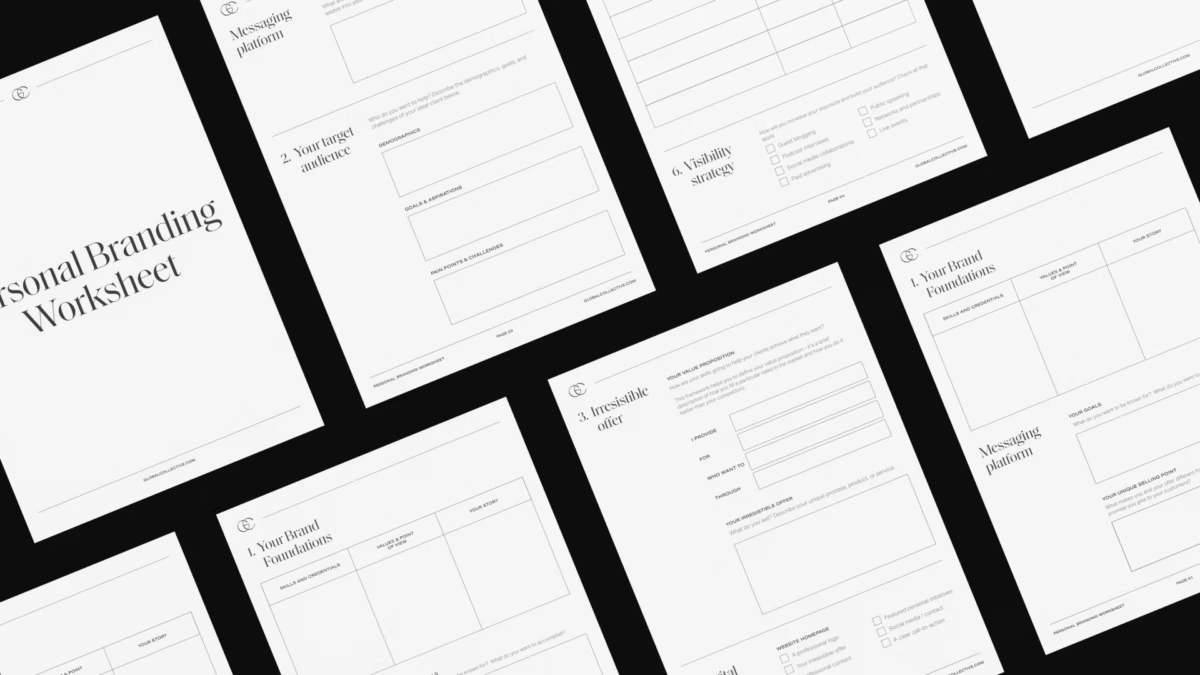
Rewrite your brand strategy
Our free resources can help you define your personal brand, level up your marketing plan, and reach your target audience.
Real estate recruitment strategies that work in 2026

Sean Soderstrom, co-founder and CEO of Courted, an AI-powered recruitment intelligence platform for real estate brokerages, brought hard numbers to the recruitment discussion. In the 12 months ending in October 2024, twice the number of top producers moved between companies compared with the prior 12-month period, according to Courted’s platform data (Courted, 2024). That trend has continued into 2026, making agent recruitment and retention a board-level priority for every brokerage.
Target growth potential, not just production volume
Soderstrom cautioned brokers against fixating on top producers alone. “In 2024, only 17 agents producing over $50 million in sales volume moved between companies in Southern California,” he said. The pool of available mega-producers is tiny. The smarter play is to conduct a gap analysis and target the broader pool of agents who show significant growth potential but have not yet hit peak production. As of 2024, Courted’s predictive model forecasts agent movement with an accuracy rate of 80%, giving brokerages a data-driven way to identify which agents are most likely to be open to a conversation. Soderstrom recommended that brokers use this kind of intelligence to build a pipeline of recruitment targets rather than relying on word-of-mouth or cold outreach.
Quality over quantity
Soderstrom echoed Kasal’s branding advice from the recruitment side. “Focus on quality over quantity when it comes to agent recruiting,” he said. Brokers who are selective and build relationships with agents who align with their culture and values will outperform those who chase volume. The data supports this: brokerages with a clearly defined brand identity report stronger agent retention rates because the agents who join are there for the right reasons.
Use technology to build relationships
With years of leadership at Chicago-based Baird & Warner before joining LeadingRE, Kasal spoke to the intersection of technology and human connection. “You absolutely cannot build those relationships without the technology behind it,” she said. Kasal explained how technology helps recruiters “figure out where the right people are, how to reach out to them, and how to get their attention.” From data analytics to AI-driven personalization, the right tools allow brokerages to stay competitive without losing the human touch that relationships require. This aligns with LeadingRE’s philosophy of empowering local brands, a concept Kasal described as “being the engine behind the brands.”

AI adoption is accelerating across the industry
For brokerages evaluating how to brand a brokerage website in 2026, the lesson is direct. Your website is the first place a prospective agent or client will look to verify your brand promise. If the site does not reflect a clear identity, load quickly, and showcase agent success stories, the technology behind it does not matter. The brand has to come first. The technology makes it scale.
“We saw an 81.8% increase in leads and a 149% increase in site visits after launching with Luxury Presence. Within two weeks, 100% of our agents had adopted the new platform.”
— (Source: Luxury Presence Case Study: First Team Real Estate, 2024)
First Team Real Estate’s results illustrate what happens when brand and technology work together. The brokerage also grew its agent count by 25% after the relaunch, a direct connection between a stronger digital brand and stronger recruitment outcomes.
Common mistakes to avoid
The panel identified several pitfalls that brokerages should watch for as they refine their branding and recruitment strategies in 2026:
- Making the brand generic to appeal to everyone. Kasal was direct: a brand that tries to attract everyone attracts nobody. Define your audience and build for them.
- Chasing only top producers in recruitment. The available pool of mega-producers willing to move is extremely small. Brokerages that ignore rising agents with growth potential miss the larger opportunity.
- Treating social media as a broadcast channel. Linsell noted that consumers now use social profiles to verify credibility. A feed full of generic listing posts does not build trust.
- Neglecting agent-level branding. A strong corporate brand means little if individual agents cannot articulate their own value proposition. Invest in both.
- Adopting technology without a brand strategy. Tools are only as effective as the identity they support. A CRM, a website, or an analytics platform cannot fix a brand that lacks clarity.
Brokerage branding and recruitment at a glance
| Strategy | What the panel recommends | Why it matters in 2026 |
| Brand differentiation | Articulate your “why” in two sentences or fewer | Consumers and agents have more choices than ever. Clarity wins. |
| Agent-level branding | Invest in individual agent websites, visual identity, and marketing support | Brand-mature agents command higher prices and attract more referrals |
| Targeted recruitment | Use gap analysis and predictive data to identify agents with growth potential | Agent mobility is rising. Data-driven targeting outperforms cold outreach. |
| Technology as relationship layer | Deploy AI-powered tools for personalization, not as a replacement for human connection | 85% of agents already use AI regularly. Brokerages that lag will lose talent. |
| Social media as proof | Use social profiles to demonstrate credibility and track record | Clients verify agents on social before making contact |
| Quality over quantity in recruiting | Be selective. Recruit agents who align with your culture and values. | Cultural alignment drives retention. Volume hiring drives churn. |
Luxury Presence can elevate your marketing strategy
Learn how we can help take your real estate business to the next level. Schedule a time to speak with one of our branding experts today.

FAQs
Rewrite your brand strategy
Our free resources can help you define your personal brand, level up your marketing plan, and reach your target audience.
About the author

Marketing Manager
Kate Evans is a content marketing strategist at Luxury Presence, the leading growth platform for high-performing real estate professionals. She develops data-driven editorial content and supports SEO strategy and brand voice frameworks that help agents attract qualified leads and establish market authority. Her published work covers topics including CRM strategy, social media marketing, and digital growth, supporting thousands of agents in scaling their businesses through modern marketing.