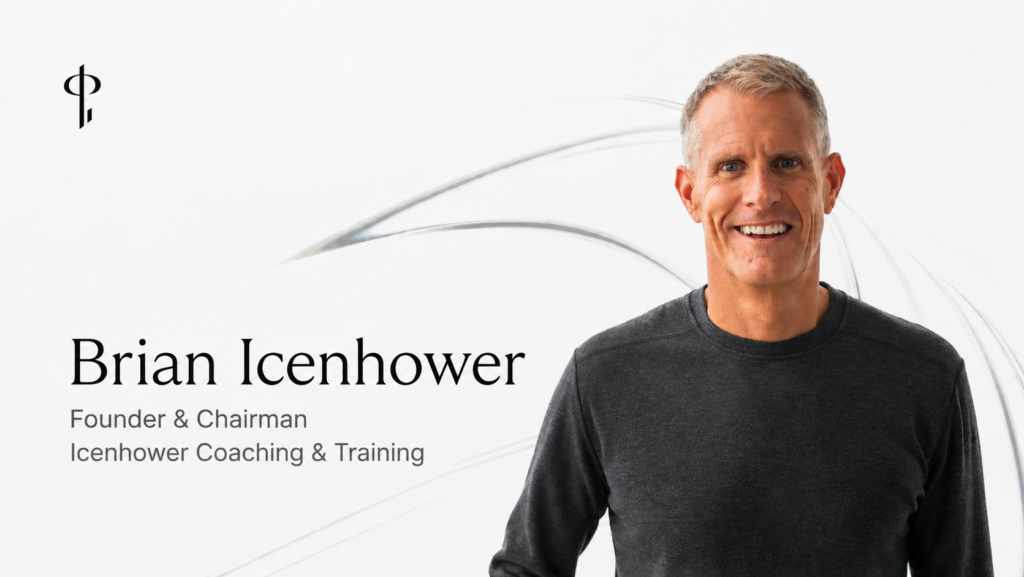
By Brian Icenhower, Founder & Chairman, Icenhower Coaching & Training
Real estate agents invest heavily in lead generation, branding, and marketing. Meanwhile, some of their most valuable business opportunities are already sitting in a database, waiting for a phone call.
After years of coaching agents and team leaders, I’ve seen how much consistent database follow-up influences business performance. The relationships an agent builds over time can become the foundation for a more predictable business, provided those relationships receive ongoing attention.
Your database is an asset that compounds
I rank the database as the most critical lead generation and nurture tool in an agent’s business. Other marketing and branding investments can serve an important purpose, but they should ultimately help build relationships, attract contacts, or create opportunities that enter the database.
Your database stands apart because you own the relationships.
Paid leads are rented. Social media reach is borrowed. The people who know you, trust you, and would consider working with you are the foundation of a business you can build on year after year.
The challenge is that most agents measure the database by its size instead of its productivity.
Two hundred people who receive consistent, relevant follow-up are more valuable than 2,000 names that rarely hear from you. A database gains value as you maintain relationships and turn them into meaningful conversations.
In my coaching, I use a seven-to-one database benchmark: roughly one transaction for every seven people who receive proper, consistent follow-up. It’s a coaching benchmark, not a guarantee, but it illustrates the opportunity agents can overlook when they focus exclusively on acquiring new leads.
A database of 300 people, worked consistently, can also give an agent a meaningful basis for forecasting future business. When you understand how many people you contact, how often those contacts turn into appointments, and how many appointments become closings, you have a clearer picture of what the coming year could look like.
An agent who relies entirely on new leads has to keep asking where the next transaction will come from.
That distinction is why I wrote SOI: Building A Real Estate Agent's Sphere of Influence. The goal is to help agents understand the economics of their relationships and build a business around them.
Consistency is what makes the database compound
Most agents understand that they should stay in touch with their sphere. The challenge is maintaining that effort over time.
They make a few calls, get busy with active transactions, and stop. When the pipeline thins out three months later, they go looking for more leads. They often abandon their database just before consistent follow-up has had time to pay off.
I recommend a minimum of 100 touches per person per year, diversified across calls, video texts, handwritten notes, client events, mailers, and listing alerts. Within that broader cadence, every person should receive a genuine two-way conversation at least four times a year.
The practical challenge is deciding whom to contact and when. One method I use is to divide the sphere into 13 groups based on the first letter of each person's last name, then work one group each week. The system removes the daily decision about whom to call and makes consistent contact easier to maintain.
Agents should also continue nurturing clients after the closing. When the relationship ends as soon as the commission check clears, the agent creates the same acquisition problem all over again.
The goal is to build a repeatable process that keeps relationships active over time and gives past clients a reason to return and refer others.
Build the habit before you need the business
Database organization becomes more difficult as the list grows. Organizing 50 contacts can take an afternoon. Cleaning up 1,500 names can become a project that keeps getting pushed aside.
That’s why I encourage agents to establish a system early, add five people a day, and log every touch. Start with clear categories and a realistic follow-up plan, then maintain the structure as the business grows.
The important measure is what happens after a contact enters the database. Are you reaching out? Are you having conversations? Are you tracking which relationships lead to appointments and closings?
Give the process enough time to work. Conversations can begin appearing within weeks, but closings take longer. I encourage agents to evaluate their database discipline over a full year because people move when they move.
A well-maintained database gives you a stronger foundation for future production.
The relationships are already there. Your job is to keep them active.
Ready to grow?
Turn your content into your best lead source
See how Luxury Presence helps agents turn website visits into closed deals