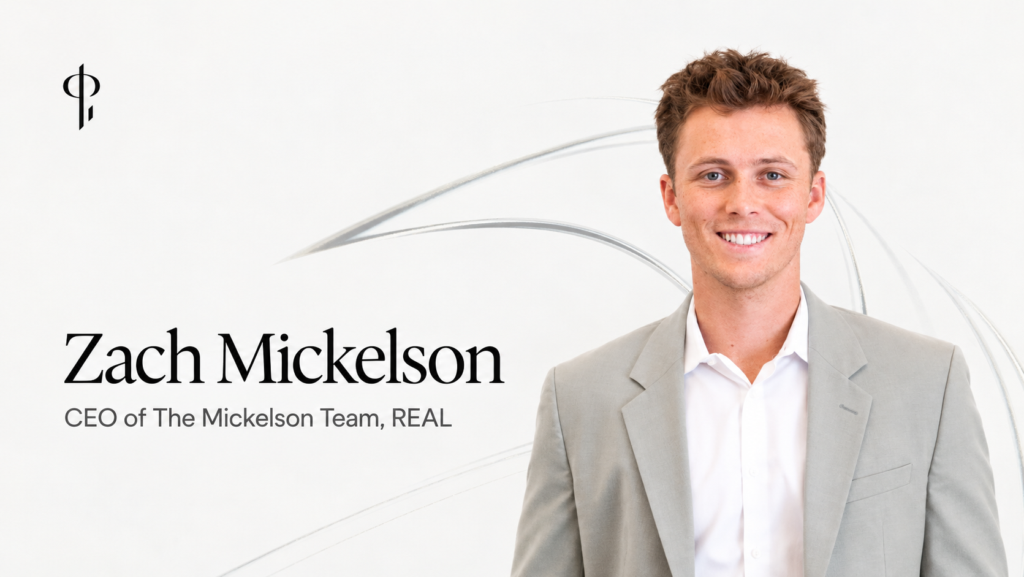
I got licensed at 19, straight out of high school, and started trying to sell homes in Orange County without any parents or family in real estate. I was young, I looked even younger, and I had to figure out how to build a business in one of the most expensive markets around.
I also got started in 2022, when interest rates were beginning to rise. I missed the pandemic buying frenzy. The only market I knew was difficult, and during my first year, I went eight months without a deal.
That was tough, especially when people around me were telling me that building a business takes time. Eventually, though, I had a shift, and started viewing the fact that I had all of this time on my hands as a good thing.
If I wasn’t busy with active clients, I could focus on getting my systems in place, learn the business, and work on the things I’d need once the deals started coming.
That period helped shape the way I build a business today.
I’ve always believed in earning business organically through relationships, prospecting, and good customer service. That approach takes time, but has allowed me to build something that could keep growing over the long term.
Start by meeting people
I was lucky, early on, that I was surrounded by old-school mentors who told me to hit doors, cold call, and host open houses. That’s where I started, and those activities are still a big part of how I train my agents.
Real estate can get super complicated when you hear about all the different strategies, tools, and ways to generate leads. At its simplest, you have to meet people, get to know them, earn their trust, help them find a home, and be there through the negotiation and the rest of the process.
When you’re starting from nothing, nobody is going to call you out of nowhere and say they want to sell their house. You have to go out and create those opportunities. I focused on meeting as many people as I could, and that’s still a goal of mine every day.
We do a lot of open houses on my team. Some days, only one or two people come through. That can feel discouraging if you expect every open house to produce a client, but those visitors are still one or two more people who know who you are. They may remember you later, refer someone to you, or reach out when they’re ready to make a move.
The more people who know that Zach Mickelson is a real estate agent, the more chances I have to earn business.
That’s the idea behind building an organic business. You keep meeting people, and over time you build a larger network of people who know you and what you do.
Give before you ask
Everyone knows a lot of real estate agents, so you have to give people a reason to remember you. I’m big on giving before asking. That means getting to know someone, learning what matters to them, and finding ways to be useful before expecting them to hire you.
Sometimes that means sharing information about the market. Sometimes it means finding a house that fits what someone wants or helping them understand what’s possible with their budget. Other times, it’s simply staying in touch and showing that you remember the conversation you had.
I have people in my network who tell me they won’t buy or sell for at least five years. I still talk to them every quarter. I’m not expecting an immediate transaction, but I want to stay connected so that when their plans change, they know who to call. They may also know someone who needs an agent sooner.
That’s why I don’t think follow-up should be a generic task you check off a list. If you send the same text to everyone or keep sharing homes they aren’t interested in, you’re giving them very little reason to respond.
The relationship matters, and good customer service is the backbone of building it. You can meet a lot of people, but if you communicate poorly or fail to follow through, you’re probably not going to earn their business.
Build your systems before you need them
During those eight months without a deal, I started getting my systems in place. I set up my CRM, organized my contacts, and thought through how I wanted to manage follow-up. I didn’t want to get busy with clients and then have to figure out how to keep everything organized while trying to serve them.
I still use those same Follow Up Boss and a Google Sheets calendar systems. These tools help me know who I need to contact, when I’m going to do it, and what we talked about last time. With these systems, I can stay consistent as the business grows.
I also spent six months in daily role-play sessions. At the time, I didn’t fully realize how much that practice would help. Later, when I was sitting in a listing appointment or buyer consultation, I noticed I’d already practiced this same conversation.
I knew what I wanted to say because I’d said it before.
Keep showing up, even when the results take time
The hard part about building a business organically is that the work doesn’t always pay off immediately. You can spend a day prospecting and come away without an appointment. You can follow up with someone for months before they’re ready to move. That doesn’t mean the work has been wasted.
My team uses a 100-point weekly scorecard to track activities such as open houses, phone calls, in-person conversations, referrals, and networking. It helps us focus on the work we can control instead of spending the week worrying about when the next deal will happen.
I tell my agents that the hardest day in real estate was yesterday. If you keep meeting people and providing good customer service, more people should know who you are over time. That gives you more opportunities to earn referrals and future business, as long as you have the right systems to follow through.
I still have days when I feel like my business is moving too slowly. When that happens, I try to look back three or five years and compare where I was then with where I am now. Early in my career, I was just trying to get my first deal. Now I’m running a team and helping newer agents work through the same problems I had a few years ago.
Think about the business you want in five years
If someone wants to become the go-to agent in a particular neighborhood, we talk about what they can do now to work toward that goal. It might mean hosting every open house they can in that area, showing up at local events, or finding ways to become a familiar face in the community.
They may not see an immediate return from those activities. But if they keep at it, they can look back in five years and see that the small things they did consistently helped establish them in that market.
There are always new tools and strategies to learn, but meeting people, earning trust, and providing good service remain at the center of the work.
If you’re going through a slow stretch, use it to build your foundation. Get to know more people, create systems that help you follow up, practice the skills you’ll need, and keep doing the activities that can create opportunities.
You may not see the payoff right away, but you’ll be better prepared when business comes, and you’ll have a stronger foundation to keep building on.
Ready to grow?
Turn your content into your best lead source
See how Luxury Presence helps agents turn website visits into closed deals