A quick note before we get into this: I’m sharing general best practices here based on what I see in my role at Luxury Presence, not offering legal advice. Every agent’s situation is different, and a trusted local attorney is always your best resource for specific questions. With that said, this is a topic I wish more people were talking about.
In my role at Luxury Presence, I’ve become aware of agents who have received demand letters as high as $80,000 for a single image used without a license. The typical story goes like this: an agent pulls a photo off the internet, uses it in a listing or a marketing piece, and moves on with life.
A few months later, the photographer’s enforcement company finds it through an automated image search, matches it to the original, and sends a bill that would ruin most people’s quarter. This is one of those risks that’s easy to miss because we’re all moving fast.
Real estate agents are entrepreneurs running complex businesses, and image sourcing is rarely the thing anyone’s thinking about at 10pm while prepping a listing. But it’s worth understanding how the rights side works, because the downside can be serious.
How image rights generally work (and why it matters for agents)
The general principle in copyright law is that the person who creates an image owns the rights to it. When a photographer presses the shutter button, they typically hold the copyright to that photo. No registration required, no watermark needed.
And so when any of us grab a beautiful kitchen shot from a Google search and use it in our marketing, we may be using someone else’s intellectual property without a license. The fact that it was easy to find online doesn’t necessarily mean it’s free to use.
Real estate is one of the most visual professions in the world. Your listings, your brand, your social media presence all depend on high-quality imagery. That reliance on visuals means this issue comes up more in our industry than in most others. It’s worth paying attention to, especially because enforcement has changed.
Photographers and licensing companies now use AI-powered reverse image searches to scan the internet at scale. They find unlicensed uses and send demand letters and it targets exactly the kind of casual image use that feels harmless when you’re doing it.
A good habit to build: periodically audit your website and recent social media posts. For every image, ask yourself whether you have a license, a receipt, or a contract that gives you the right to use it. If the answer is “I found it on Google,” it’s worth looking into a replacement.
A simpler way to protect yourself
The laws around AI-generated content are moving fast. Courts are actively working through questions about who owns what, and the answers aren’t settled yet. Anything definitive written today could be outdated in a few months.
What is settled: when you use a photograph someone else took, you’re using their copyrighted work. That typically requires their permission through a license. Full stop.
So rather than trying to sort out the gray areas on your own, the smartest move is to make sure every image you use comes from a source where you clearly have the right to use it. Services like Shutterstock, Adobe Stock, and iStock offer subscriptions that give you access to millions of high-quality images with proper licensing built in. For what most agents spend on a single closing gift, you can have a year’s worth of professionally shot photos and sleep easier at night knowing you’re covered.
It’s the kind of step that takes image risk off the table entirely. No gray areas, no guesswork.
How ownership transfers through your platform
At Luxury Presence, when our AI tools create an image or a piece of content for an agent, we have structured our terms of service for the agent can use what was created for them. That gives agents a clearer path than sourcing images on their own from the open internet.
I want to be transparent about one thing, because I think transparency matters more than a sales pitch. We can’t represent or warrant that every AI output is perfect from a legal standpoint. The law is genuinely unsettled in this area.
But as between Luxury Presence and the agent, the rights in that AI-generated content are structured to belong to the agent..
Having a platform that handles the rights side for you is one less thing to worry about.
This is a solvable problem
The agents we work with are some of the top producers in the country. They’re brilliant at what they do: build relationships, read markets, and close deals. Image rights shouldn’t be the thing that disrupts any of that. And the good news is that it’s completely avoidable with a few simple practices.
The general best practice is straightforward. Be sure you’re using content you have the rights to, purchase licenses when you need to, and when your platform creates original AI content for you, understand that the rights structure is designed to work in your favor.
I know image sourcing tends to fall to the bottom of the priority list when you’re busy building a business. That makes total sense. But the enforcement companies scanning the web with AI are working around the clock, and the demand letters they send can be substantial.
A small investment of attention now, whether that’s an image audit, a conversation with an attorney, or simply using tools that handle rights for you, can save a lot of headaches down the road.
About the author

Head of Legal
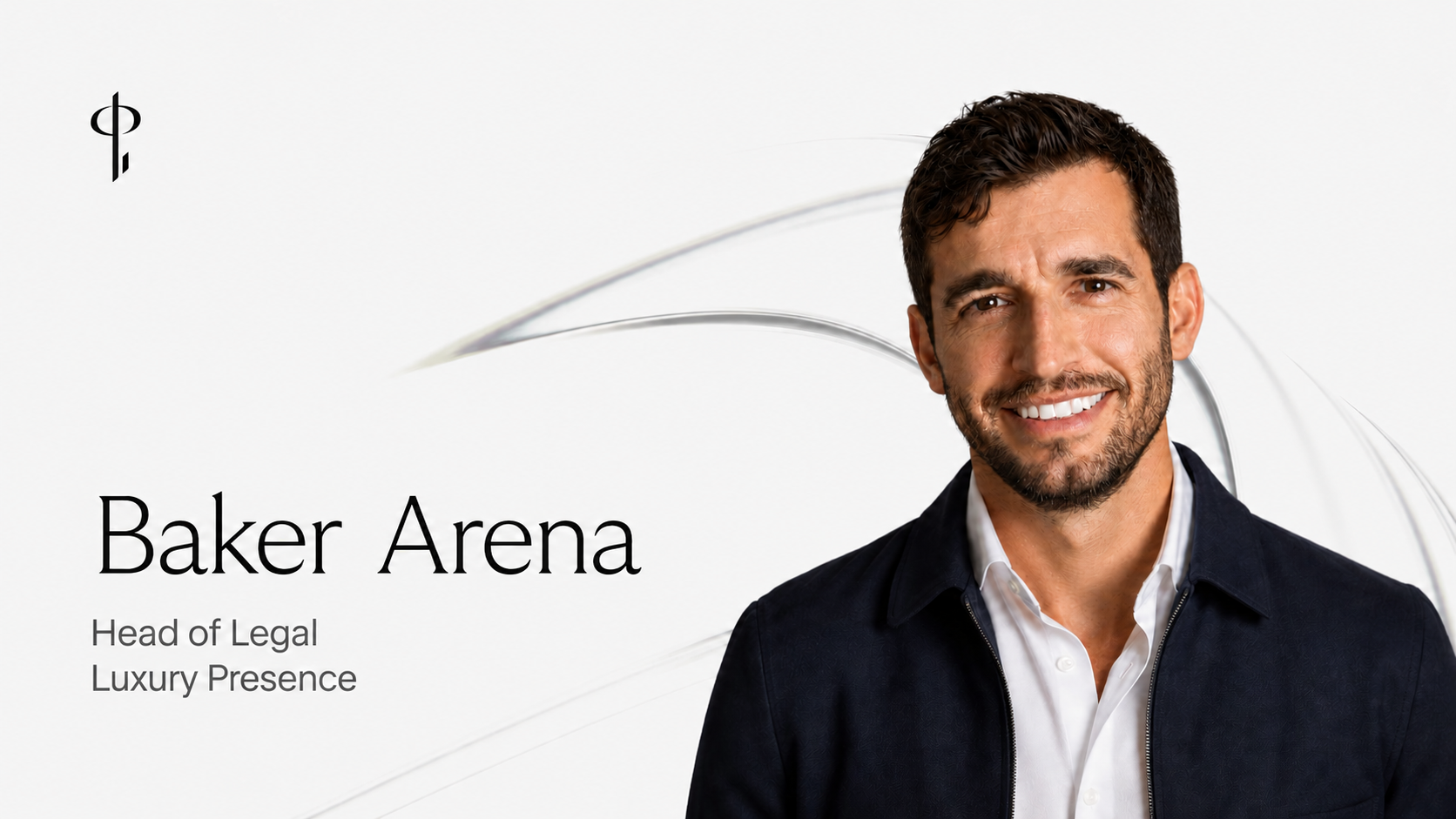
Baker Arena is an attorney and Head of Legal at Luxury Presence, where he oversees legal strategy and supports the company’s continued growth as a leading provider of digital marketing and technology solutions for real estate professionals. With expertise spanning technology transactions and data privacy compliance, advertising and marketing law, and legal risk management, Baker plays a key role in helping the company navigate the evolving technology and real estate landscape. Known for his thoughtful leadership and collaborative approach, he partners closely with teams across the organization to support innovation, operational excellence, and long-term business growth.