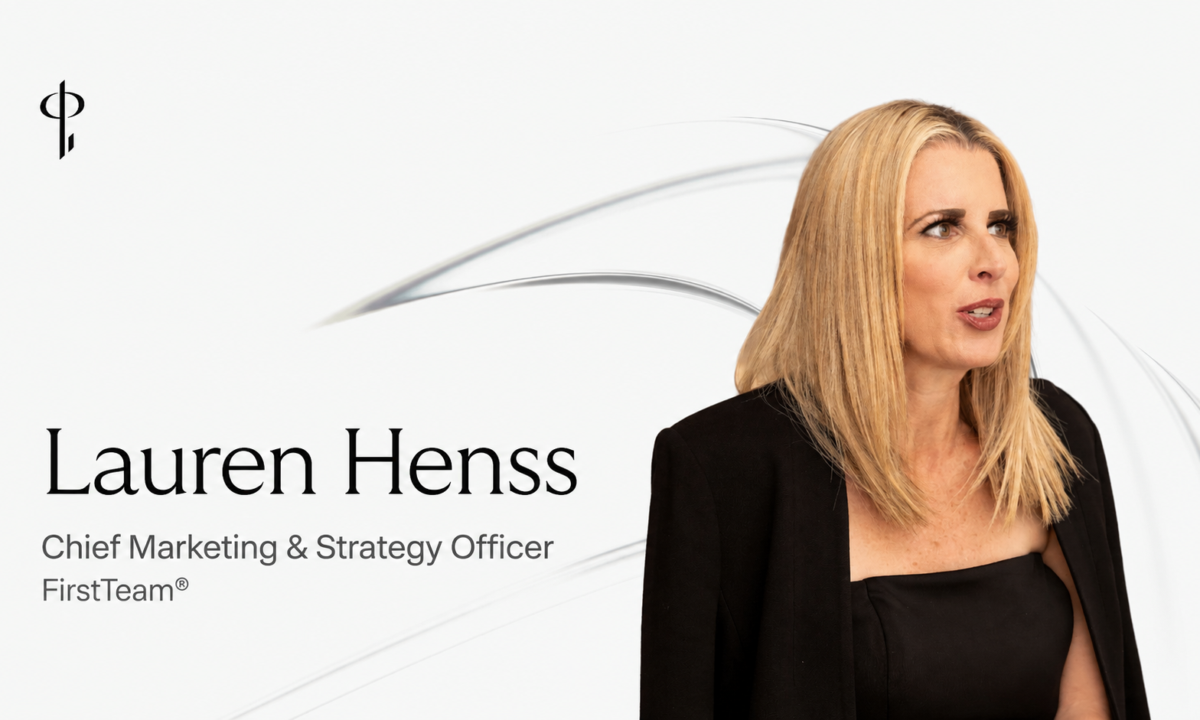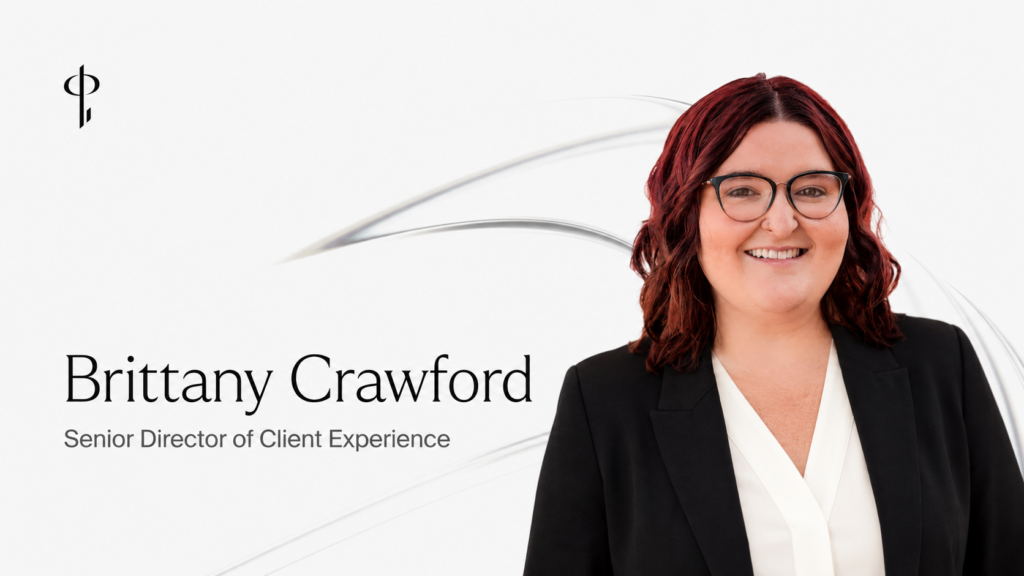
After 15 years of running service organizations, I've learned that the difference between a team that keeps clients and a team that loses them almost always comes down to soft skills. Product knowledge matters. Systems matter. But the ability to connect with a person who's frustrated, confused, or just having a bad day is what determines whether they stay with you or start looking elsewhere.
This is true in any service business, and it's especially true in real estate. Your agents are the face of your brokerage. Every interaction they have with a client shapes how that client feels about your brand. And the good news is that great service isn't a personality trait. It's a skill set you can teach.
Great service follows a pattern you can teach
Every great service interaction I've ever seen, whether I was delivering it, coaching it, or on the receiving end of it, follows the same basic rhythm.
First, you listen. You let the person explain what's going on without rushing to a fix.
Then you empathize, acknowledging what they're feeling. Then you restate the problem back to them, which does two things: it confirms you actually understood, and it makes the person feel heard.
From there, you offer a solution.
And finally, you walk through what happens next so they never leave the conversation wondering.
Listen, empathize, restate, solve, next steps. That's the framework.
It works whether you're handling a support call, sitting across the table from a buyer who's getting cold feet, or talking a seller through a price reduction. The model stays the same, but the application changes, and that's where the practice matters.
If you manage agents, this is something you can implement this week. Write the steps down. Walk your team through them. Then run two or three role plays using real scenarios from the past month. You'll be surprised how quickly it clicks when people have a structure to follow instead of trying to improvise under pressure.
Teach your team to read the emotion, not react to it
The hardest part of client-facing work is what to do when someone comes in hot. I spend a lot of time training teams on human emotion, which might sound like an unusual topic. But it's the thing that makes the biggest difference.
When a client is frustrated, that frustration is almost never about the person on the other end of the conversation. It's about a deal falling through. A home that didn't appraise. A listing that's been sitting. Once your agents understand that, it changes how they show up. They stop defending and start listening.
The instinct when someone is upset is either to match their intensity or to immediately jump to a solution. Both are wrong. If you match their intensity, the conversation escalates. If you jump straight to a fix while they're still processing how they feel, they're not ready to hear it.
The better move is to give them space. Let them get it out. Acknowledge what they're feeling. And then, once the temperature has come down, move toward a resolution. That pause in between, the one where you just let someone feel heard, is where trust gets built.
Reframe the oldest rule in customer service
Here's something that might sound controversial: the client isn't always right. I know that goes against what most of us were taught, but hear me out. The client's perception of the problem is always right.
They're experiencing something real, and that experience matters. But they may not have the full picture to know what the right solution is. That's your agent's job.
When your team internalizes this, two things happen. First, they stop feeling like they've failed every time a client is upset, because they understand that the frustration is about a situation, not about them personally.
Second, they approach the conversation as partners in solving a problem rather than adversaries arguing about who's right. That shift takes the friction out of hard conversations and makes them productive.
Bring this into your next team meeting. Talk about a recent tough client conversation and walk through it using this lens. You'll see people's shoulders drop.
Give your team something to believe in together
One of the most powerful things you can do as a leader is build a shared identity with your team. Write a mission statement together. Create a set of guiding principles that are specific to who you are and how you want to serve your clients.
Then weave them into everything: your coaching sessions, your performance reviews, your onboarding for new agents.
When everyone on a team knows what they stand for and how they're expected to show up, the quality of their work gets more consistent. New agents ramp faster because they have something concrete to learn, not just a vague expectation to "give good service." And when you need to have a tough coaching conversation, you're not giving subjective feedback. You're pointing back to a shared standard that the whole team helped create.
This doesn't require a massive budget. Get your team in a room for an afternoon. Ask them what they believe about the work they do and the people they serve. Write it down. Make it real.
If you can't measure it, you can't improve it
Everything I've just described will fall flat if you don't track whether it's working. You need KPIs tied to the client experience, and you need to look at them regularly. Client satisfaction scores, Net Promoter Score, and employee satisfaction are the ones I always start with, because they tell you three things at once: how clients feel about your service, whether they'd recommend you, and whether the people delivering that service are in a position to do it well.
When you make a change, whether it's a new training, a new tool, or a new process, tie it back to a metric. Did client satisfaction move? Did your team's engagement shift? If you can't draw that line, you don't know if you're solving the right problem. And if something is working, the numbers give you the proof to keep investing in it.
The teams I've seen struggle with service quality aren't usually lacking in talent or effort. They're lacking in visibility. They don't know what's working because they've never measured it. Start there, and the rest of the picture comes into focus.
The competitive advantage no one talks about
In real estate, there's no shortage of conversation about lead gen, technology, and market strategy. But the teams and brokerages that win long term are the ones whose clients feel taken care of. It comes down to the people you hire and how you train them. And it's a decision you can start making today.
Train your agents on how to listen. Teach them how to sit with someone's frustration without flinching. Align them around a shared standard. And then measure whether it's working. The soft skills are the hard skills, and the leaders who figure that out first will be the ones their clients never want to leave.
Ready to grow?
Turn your content into your best lead source
See how Luxury Presence helps agents turn website visits into closed deals