Real estate prospecting is the systematic process of identifying and contacting potential buyers or sellers to generate new business opportunities. In 2026, agents who combine digital and in-person prospecting consistently outperform those relying on a single channel. The 22 real estate prospecting ideas in this guide will help you build a repeatable pipeline, diversify your lead sources, and grow your business faster, regardless of market conditions. Whether you are a new agent looking for your first listing or a seasoned producer ready to scale, these methods give you a clear playbook for filling your calendar with appointments.
Find It Fast
Key takeaways
- Real estate prospecting works best when you mix digital strategies (websites, content, social media, paid ads) with in-person tactics (community networking, open office hours, speaking engagements) rather than depending on one channel alone.
- Your website is your most powerful prospecting asset in 2026. Every marketing dollar should drive traffic back to a site you own, not to a third-party portal.
- Referrals remain the single highest-converting lead source. According to NAR’s 2024 Profile of Home Buyers and Sellers, 65% of sellers found their agent through a personal reference.
- Consistency beats intensity. Blocking 90 minutes each day for prospecting activities produces more appointments over time than sporadic bursts of effort.
- Track every prospecting activity inside your CRM so you can see which channels deliver the highest response rates and double down on what works.
- Past clients are not “done” leads. Nearly 46% of sellers reuse their previous agent, making your existing database one of your most valuable assets.
22 real estate prospecting ideas for 2026

Real estate prospecting is the systematic process of identifying and contacting potential buyers or sellers to create new business opportunities. The strongest prospecting plans combine digital, in-person, and outbound tactics so you are never dependent on a single lead source. Use the summary table below to scan all 22 ideas at a glance, then read the detailed breakdown that follows.
| Idea | Category | Effort level |
| 1. Create a lead-generating website | Digital | Medium |
| 2. Add a lead nurturing feature to your website | Digital | Low |
| 3. Use predictive analytics | Digital | Medium |
| 4. Start a real estate podcast | Digital | Medium |
| 5. Blog regularly | Digital | Medium |
| 6. Harness the power of video | Digital | Medium |
| 7. Share downloadable resources | Digital | Low |
| 8. Create a real estate newsletter | Digital | Medium |
| 9. Get personal on social media | Digital | Low |
| 10. Engage on social media | Digital | Low |
| 11. Host public office hours | In-person | Low |
| 12. Send handwritten prospecting letters | Outbound | Medium |
| 13. Implement circle prospecting | Outbound | Medium |
| 14. Ask your network for referrals | Outbound | Low |
| 15. Call expired property listings | Outbound | High |
| 16. Convert FSBO sellers | Outbound | High |
| 17. Host buyer and seller webinars | Digital | Medium |
| 18. Network within the community | In-person | Low |
| 19. Run retargeting ads | Digital | Medium |
| 20. Book speaking engagements | In-person | Medium |
| 21. Be a resource to local employers | In-person | Low |
| 22. Offer free real estate evaluations | Outbound | Low |
1. Create a lead-generating website
A modern real estate website should be more than a place to display listings. It is your most powerful prospecting tool for connecting with potential buyers and sellers on your terms. With the right design and content strategy, your site can consistently generate high-quality leads around the clock.
The key distinction is ownership. When you send traffic to your own website instead of a third-party portal, every visitor becomes an opportunity you control.
To make your site a true lead engine, add IDX search with saved-search functionality, neighborhood landing pages targeting local keywords, and clear calls to action on every page. Track which pages generate the most form submissions and refine from there.
2. Add a lead nurturing feature to your website

Adding live chat to your real estate website keeps you connected with prospects and captures leads even when you are away from your desk. Offering instant answers to common questions can make the difference between a prospect who bounces and one who books a consultation.
Not all chat tools are created equal. For example, Luxury Presence’s Lead Nurture Marketing feature can qualify leads by asking the right questions before handing them off to you for follow-up. Nothing publishes or sends without your approval, so you stay in control of every conversation.
3. Use predictive analytics
Predictive analytics uses historical and behavioral data to identify likely future sellers or buyers before they publicly enter the market. In 2026, agents who apply this approach to their prospecting can more easily identify high-value leads and direct their marketing spend toward the contacts most likely to convert.
Start by pulling data from your CRM on past client timelines: how long did previous clients own their homes before selling? Layer in public records such as mortgage origination dates and life-event triggers like job changes or growing families. Prioritize outreach to homeowners who match the patterns of your past sellers, and you will spend less time chasing cold contacts.
4. Start a real estate podcast
Podcasts let you tap into a new audience by sharing market commentary, answering common buyer and seller questions, and interviewing local business owners. A weekly 20-minute episode positions you as the go-to voice for real estate in your market.
Production costs are low. A quality USB microphone, free editing software, and a hosting platform are all you need to launch. Repurpose each episode into short video clips for social media and blog posts for your website to multiply the return on every recording session.
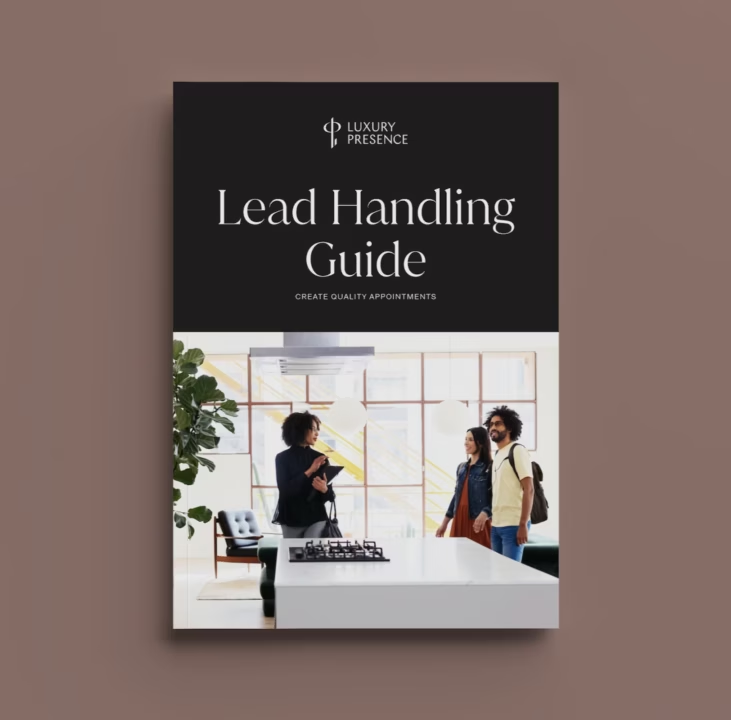
Develop your lead nurturing strategy
Turn leads into clients with our free scripts, follow-up schedules, and communication tips.
5. Blog regularly
If you want to attract more prospects through search engines, add a blog to your website and update it consistently. Writing about neighborhood guides, market updates, and homeownership tips builds trust with readers and signals to Google that your site is active and relevant.
Agents who publish locally focused content see higher organic traffic over time, which translates directly into inbound leads. Aim for at least two posts per month, each targeting a specific keyword your ideal client would search. Luxury Presence’s Content Marketing service can handle the writing and publishing workflow so you can focus on appointments instead of drafting articles.
6. Harness the power of video
Video allows you to connect with potential clients across YouTube, Instagram, TikTok, and your own website simultaneously. Use videography to showcase properties with virtual tours, introduce yourself to new audiences, and offer quick tips on buying or selling homes.
Keep your first videos simple. A 60-second market update filmed on your phone each week builds familiarity faster than a single high-production video published once a quarter. Consistency is what earns trust on camera.
7. Share downloadable resources
Checklists, guides, and market reports offer real value to your audience while giving you a reason to collect contact information. A “First-Time Buyer Checklist” or “2026 Neighborhood Market Report” behind a simple email gate can steadily grow your contact database.
Once a prospect downloads your resource, add them to a drip sequence inside your CRM. The download itself tells you what they care about, so your follow-up can be specific rather than generic.
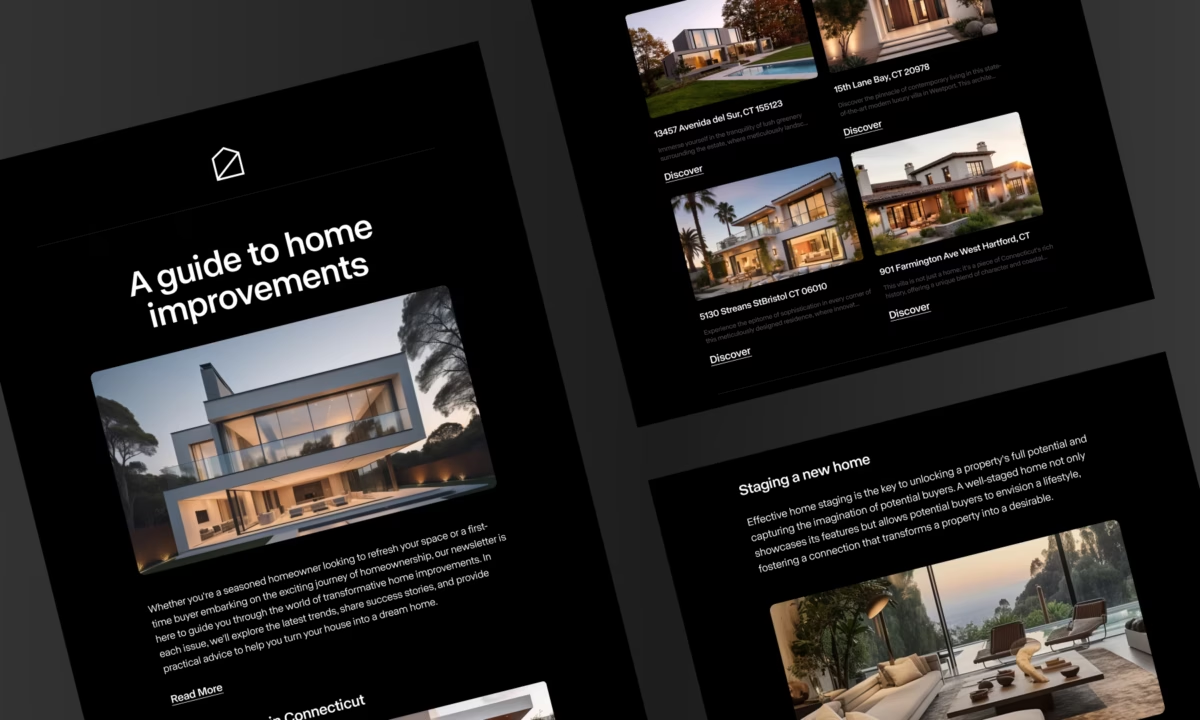
8. Create a real estate newsletter
Email newsletters are a top-producing agent’s go-to tool for staying top of mind. A monthly or biweekly send that includes local market data, new listings, and a personal note keeps your name in front of past clients and warm leads without requiring a phone call.
With the segmentation and automation tools inside most CRMs, you can send different content to buyers, sellers, and past clients from a single campaign. Track open rates and click-through rates to learn which topics drive the most engagement, then create more of that content.
9. Get personal on social media
Most of your audience wants to know about your business and about you as a person. Sharing behind-the-scenes moments, local restaurant recommendations, and honest takes on the market builds the kind of authenticity that turns followers into clients.
While showing who you really are, look for opportunities to demonstrate your real estate knowledge in the same feed. A mix of personal and professional content creates lasting brand recognition and loyalty. Luxury Presence’s Social Media Marketing service can keep your profiles active and on-brand so you never go dark between posts.
10. Engage on social media
Posting is only half the equation. Commenting on local business pages, sending direct messages to people who engage with your content, and hosting live Q&A sessions are all ways to build real relationships on social media.
Set a daily goal: leave five meaningful comments, respond to every DM within two hours, and go live at least once a month. These small, repeatable actions compound over time and keep your profile visible in the algorithm.
11. Host public office hours
Real estate agents can build connections with prospective clients by hosting informal “office hours” at a neighborhood coffee shop, the local library, or a coworking space. Pick a consistent day and time, such as every Tuesday from 10 a.m. to noon, and promote it on social media and in your newsletter.
The low-pressure environment encourages homeowners to ask questions they might not bring up in a formal listing appointment. One agent in Austin, Texas, reported booking three listing appointments in a single month after starting weekly coffee-shop office hours, simply because neighbors felt comfortable stopping by to chat about home values. Bring business cards, a tablet with your website open, and a sign-up sheet for your email list.
12. Send handwritten real estate prospecting letters
Handwritten letters stand out because they feel personal and take real effort, and your recipients know that. They are significantly more likely to be read than a mass-distributed postcard or email. A short, genuine note congratulating a neighbor on a home improvement or introducing yourself to a new homeowner can start a conversation that leads directly to a listing appointment.
Aim for 10 handwritten notes per week. Keep each one to three or four sentences, mention something specific about the recipient’s street or neighborhood, and include your contact information. The time investment is small, but the impression it leaves is lasting.
13. Implement circle prospecting strategies
Circle prospecting means contacting homeowners within a defined radius of a recently listed, sold, or under-contract property. The goal is simple: let neighbors know about the market activity on their street and position yourself as the local agent who is getting results.
To succeed, craft messaging specific to each area’s conditions. For example: “Your neighbor’s home at 123 Oak Street just sold for $15,000 over asking price in nine days. If you have been curious about what your home might be worth in this market, I would be happy to run a quick analysis for you.” Use your CRM to log every contact and schedule follow-up calls so no conversation falls through the cracks.
14. Ask your network for referrals
Referrals remain the highest-converting lead source in real estate. According to NAR’s 2024 Profile of Home Buyers and Sellers, 65% of sellers found their agent through a personal reference (NAR, 2024). That stat continues to hold in 2026, which means your past clients and personal contacts are among your most valuable prospecting assets.
Here is a sample email you can send:
Subject: Quick favor?
Hi [client’s name],
I hope you are doing well. It was a real pleasure working with you, and I am grateful for the trust you placed in me.
I am writing because I am looking to help more people in [neighborhood or city] with their next move. If you know anyone, whether friends, family, or coworkers, who might be thinking about buying or selling, I would appreciate you passing along my name.
I promise to bring the same level of care and market knowledge you experienced to anyone you refer.
Thank you for your support.
Best regards,
[your name]
[your contact information]
15. Call expired property listings
Expired listings are one of the most direct prospecting sources because you already know the owner wants to sell, and the chances are good that they still need an agent. The key is to lead with empathy and a clear plan for what you would do differently.
When you call, open with something like: “I noticed your home at [address] came off the market. I work with sellers in [neighborhood] and I would love to share a few ideas on what we could do differently to get it sold. Would you be open to a quick 10-minute conversation?” Track your expired-listing calls in your CRM and follow up at least three times before moving on. Agents who are consistent with this approach often convert a significant percentage of their expired-listing contacts into signed agreements.
16. Convert For Sale By Owner (FSBO) sellers
On average, homes sold with a real estate agent bring in significantly more than those sold without one. According to NAR’s Quick Real Estate Statistics, the gap has historically been around $95,000 (NAR, 2024). Use this data point when calling to convert FSBO sellers into clients.
Your script might sound like this: “Hi, I saw your home listed for sale on [platform]. I work with homeowners in [neighborhood] and I have some market data that could help you price it for the strongest possible offer. Would you be open to a quick chat this week?” The goal is not to pressure them. It is to show the value you bring with real numbers.
17. Host buyer and seller webinars
Webinars let you present to many prospects at once without the cost of a physical event. A 45-minute session titled “How to Buy Your First Home in [City] in 2026” or “What Every Seller Needs to Know Before Listing” gives attendees real value and gives you a room full of warm leads.
Promote the webinar through your email list, social media, and paid ads. Require an email sign-up to attend, and add every registrant to a follow-up drip sequence inside your CRM. After the event, send a recording to anyone who registered but did not attend. That follow-up alone can generate additional appointments.
18. Network within the community
Staying connected with your community uncovers new business opportunities that never show up online. From joining a local business association to volunteering at a school fundraiser to attending neighborhood board meetings, there are dozens of ways to make meaningful local connections.
The agents who win the most referrals from community networking are the ones who show up consistently, not just when they need a deal. Pick two or three recurring events and commit to attending every month for a full year. The relationships you build will pay dividends long after the events end.
19. Run retargeting ads
Retargeting campaigns allow you to re-engage potential clients who have already visited your website or interacted with your content. In 2026, retargeting remains one of the highest-ROI ad strategies because you are spending money only on people who have already shown interest.
Luxury Presence’s Paid Advertising service can set up and manage retargeting campaigns on your behalf, keeping your brand visible to warm audiences across Facebook, Instagram, and Google Display. You review and approve every ad before it goes live, so your brand stays consistent.
20. Book speaking engagements
Speaking at local events puts your face and name in front of an audience that is already interested in the topic. Target venues like Chamber of Commerce luncheons, first-time homebuyer workshops hosted by local lenders, and community college continuing-education programs.
Here is a three-step process for getting booked:
- Make a list of 10 local organizations that host monthly or quarterly events. Include Rotary clubs, business networking groups, and nonprofit boards.
- Send a short pitch email to the event coordinator offering a free 20-minute presentation on a topic like “5 Things Every Homeowner Should Know About Their Property Value in 2026.”
- At the event, collect business cards or email sign-ups and follow up within 48 hours with a personalized note and a link to your website.
One speaking engagement per quarter can generate a steady stream of new contacts who already see you as a knowledgeable resource.
21. Be a resource to local employers
Companies that hire employees from out of town need relocation support, and you can be the agent they recommend. Start by identifying the five largest employers in your market, then contact their HR departments with a simple offer: “I help relocating employees find homes in [city]. I would be happy to put together a relocation guide for your new hires at no cost.”
One agent in Charlotte, North Carolina, built a pipeline of 12 transactions in a single year by partnering with two regional hospitals that regularly recruited physicians from other states. The employer gets a trusted resource to hand new hires, and you get a warm introduction to motivated buyers before they even start searching online.
22. Offer free real estate evaluations
One of the most direct ways to generate seller leads is by offering annual property valuations to homeowners in your target neighborhoods. A free home evaluation gives homeowners useful information about their property’s current market position and gives you a reason to start a conversation.
Here is an email script you can use:
Subject: Free home evaluation offer
Hi [prospect’s name],
Hope you are doing well. I noticed you own a property in [neighborhood/city]. Would you be interested in a quick, no-obligation home evaluation? It is complimentary and can give you a clear picture of your property’s current market value.
Let me know if you are interested, and we can schedule a time to review it at your convenience.
Best,
[your name]
Pro tips for real estate prospecting in 2026
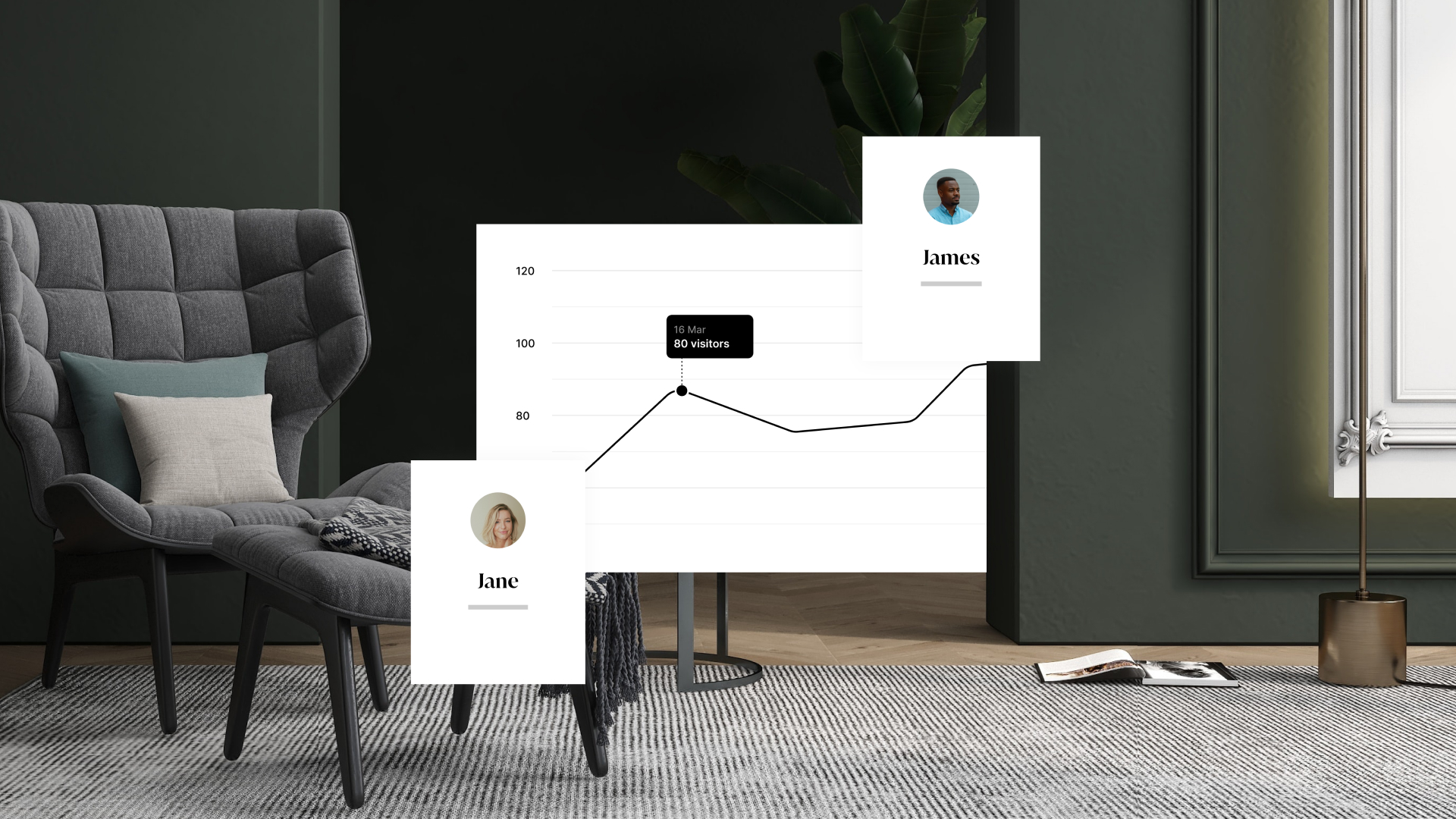
Now that you have 22 real estate prospecting ideas to work with, here are the habits and mindsets that separate agents who prospect occasionally from those who prospect profitably.
- Block 90 minutes a day for prospecting. Even when your pipeline is full, protecting this time on your calendar is what keeps future business flowing. Set a recurring calendar block at the same time every morning before distractions take over.
- Mix active and passive prospecting. Active approaches, such as door-knocking and cold calling, require direct engagement with potential clients. Passive prospecting involves generating leads through indirect methods such as content marketing, social media posts, and referral requests. The strongest agents run both simultaneously so they always have short-term and long-term lead flow.
- Track everything in your CRM. Log every call, email, and conversation so you can see which channels deliver the highest response rates. Luxury Presence’s CRM is built for real estate workflows and lets you track the entire client journey from first contact to closing, with automated follow-up reminders that keep relationships warm without letting anything slip.
- Reframe your mindset about prospecting. Rather than worrying that your outreach bothers people, remember that you are providing real information about what is often the largest financial decision of someone’s life. You are the market expert. Own that role.
- Follow up persistently. Research from Baylor University’s Keller Center for Research (2012) shows that success in cold calling comes with tenacity, and this finding remains relevant in 2026 as agents report needing multiple contact attempts before setting an appointment (Baylor University, 2012). It often takes five or more touches before a cold prospect becomes a warm lead. Do not stop after one attempt.
- Focus on securing first appointments. The first time you meet a prospect face-to-face is the most important step in building a relationship and earning their business. Push every conversation toward a specific date and time for a meeting, whether in person or on video.
- Never forget past clients. Maintaining strong relationships with previous clients is one of the most effective ways to generate repeat and referral business. NAR’s 2024 data shows that nearly 46% of sellers used their previous real estate agent for both purchasing and selling. A quarterly check-in call or a handwritten note on the anniversary of their closing date keeps that connection alive.
Building a Consistent Prospecting System
The most effective real estate prospecting plans do not rely on one lead source. By combining digital marketing, outbound outreach, and in-person relationship building, you create a steadier flow of opportunities and reduce your dependence on any single channel. The key is consistency: track what works, follow up regularly, and keep prospecting even when your pipeline is already full.
FAQs
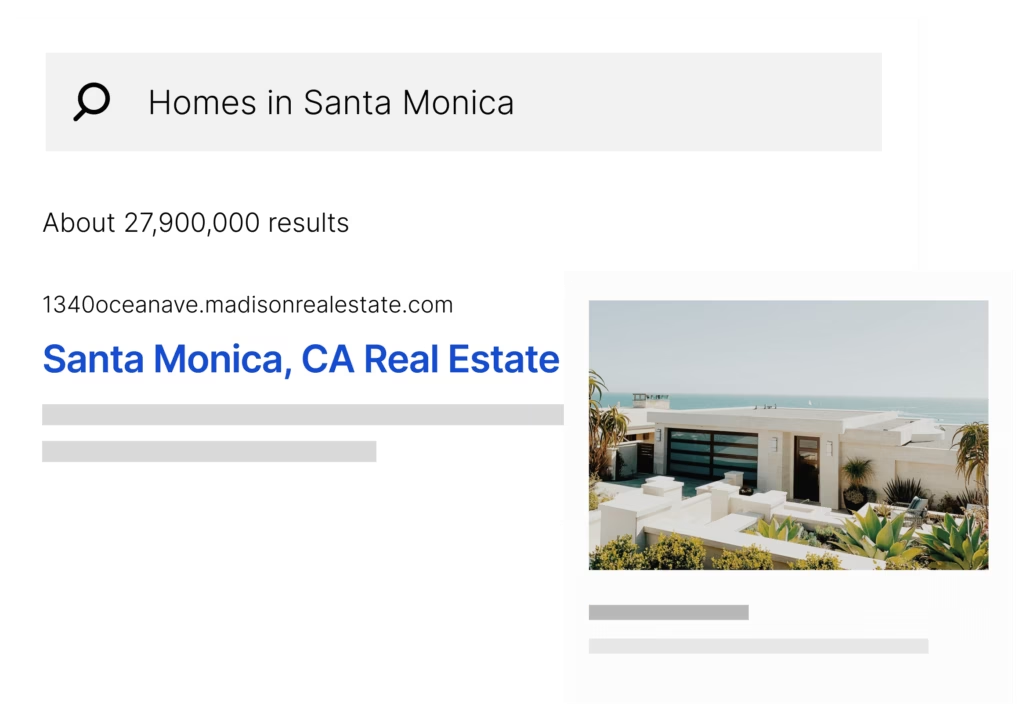
Leverage Luxury Presence’s SEO expertise
From keyword strategies to optimization plans, our world-class SEO team gets agents and brokerages the visibility they deserve. Learn how our tailored solutions can boost your ranking today.
About the author

Marketing Manager
Kate Evans is a content marketing strategist at Luxury Presence, the leading growth platform for high-performing real estate professionals. She develops data-driven editorial content and supports SEO strategy and brand voice frameworks that help agents attract qualified leads and establish market authority. Her published work covers topics including CRM strategy, social media marketing, and digital growth, supporting thousands of agents in scaling their businesses through modern marketing.