Real estate networking is the practice of building professional and community relationships that generate referrals, surface market knowledge, and grow an agent’s business over time. In 2026, the agents who consistently show up in their communities, both online and in person, are the ones building pipelines that do not depend on a single lead source. This guide covers 40+ real estate networking ideas organized by format, from community events and one-on-one outreach to social media tactics and service-driven involvement, so you can build a local presence that turns every contact into a potential referral source.
Find It Fast
Key takeaways
- Real estate networking is the single most controllable driver of referral business, and agents who treat it as a daily discipline rather than an occasional activity see compounding returns.
- Community events, pop-by visits, phone calls, email campaigns, and social media engagement each serve a different segment of your sphere, and the strongest agents use all five.
- Service-driven involvement (sponsoring teams, organizing cleanups, mentoring students) builds trust and local visibility faster than any paid ad campaign.
- A customer relationship management (CRM) system designed for real estate workflows keeps your follow-up consistent and ensures no contact falls through the cracks.
- In 2026, agents who pair in-person networking with a consistent digital presence on platforms like Instagram Reels, LinkedIn, and Facebook Groups create a visibility loop that works even when they are not in the room.
Real estate networking and why it matters in 2026
Real estate networking is the process of building and nurturing professional relationships within the industry and the broader community to create business opportunities, share knowledge, and provide mutual support. It takes many forms: formal industry mixers, casual coffee meetings, social media conversations, community service projects, and simple phone calls to past clients.
A consistent real estate networking practice generates referrals from other agents, industry professionals, and satisfied clients. It also keeps you informed about market trends, community opportunities, and the specific challenges your leads are facing. Active participation in community and industry events builds your reputation and positions you as the go-to agent in your area.
In 2026, the agents building the most durable businesses are doing it through relationships, not ad spend alone. The numbers back this up at the practitioner level.
That kind of referral concentration does not happen by accident. It is the result of years of showing up, staying in contact, and being the person people think of when someone asks, “Do you know a good agent?” Every idea in this guide is designed to put you in that position more often.
40+ real estate networking events and ideas for your community
Below you will find the full playbook, organized by format. Pick the tactics that match your personality, your schedule, and the demographics of your sphere, then commit to a consistent cadence.
Host one of these community-focused real estate networking events
Hosting an event is one of the fastest ways to make a positive impression in your community while growing your business. Events keep you on your contacts’ radar, put you front and center as a familiar and trustworthy face, and introduce you to new contacts who might become your next client.
Before you pick an event format, follow these three steps:
- Identify the audience segment you want to reach. First-time buyers need different content than move-up sellers or investors.
- Choose an event format from the list below that matches that audience. A DIY home improvement workshop appeals to homeowners. A first-time buyer happy hour appeals to renters.
- Promote the event through your email list and social channels at least two weeks in advance. Give people enough time to plan, and send a reminder the day before.
Here are real estate networking event ideas that will help you stand out:
- Homebuyer or seller workshops
- Establish a regular book club or host an evening for one that is already going strong
- Local business networking mixer
- First-time homebuyer happy hour
- Real estate investment seminar
- Community yard sale
- Neighborhood block party
- Client appreciation picnic
- Go in with your referral network to host a larger event, such as a food truck festival
- Yoga class, fitness boot camp, or fun run
- Neighborhood history walking tour
- Local artist pop-up gallery
- Host a cooking class or wine tasting
- DIY home improvement workshop
- Tailgate for a local college or high school football game
- Use the holidays for themed events like a pumpkin giveaway or holiday cookie decorating party
Make the rounds with one-on-one outreach
Events are a great way to connect with many people at once, but one-on-one check-ins can be just as productive. Not everyone has the time to attend a large gathering. Depending on the demographics of your lead pool, a personal coffee invite or pop-by can move the relationship further than any group event.
Say hi in person
Stopping by to check in on people in your network at their homes or workplaces with a small gift or note is a great way to stay connected. These quick visits, commonly called “pop-bys,” usually involve dropping off a short handwritten note along with a themed gift.
It could be as simple as a bottle of wine or a box of freshly baked cookies. You can make these seasonal: pumpkin-carving sets work well in the fall, and hot cocoa kits are a fun winter surprise. The goal is to be remembered without asking for anything in return.
Pick up the phone

Setting aside a couple of hours each month to call a few of your contacts and past clients keeps your business running on returning clients and referrals. Determine a cadence that makes sense for you, and call to learn what is going on in the lives of your friends and contacts.
These calls also become a source of feedback. You may not hear from clients in the busy weeks after closing, but their perspective about your time together may be great material for your website, could serve as a reminder to write you a review, or give you constructive criticism to carry into your next transaction.
Send an email
A well-organized email list lets you send market updates, local spotlights, and practical tips directly to the people most likely to refer or hire you. Agents who show up consistently in their contacts’ inboxes build the kind of familiarity that converts into business.
Here are email ideas that support your real estate networking efforts:
- Personalized email newsletters showcasing recent listings, success stories, and community events
- Targeted invitations to networking events, educational seminars, and client appreciation gatherings
- Market reports on a monthly, quarterly, or annual basis
- Neighborhood guides
- Spotlight a restaurant, coffee shop, or other business that is new to the area
- Homeownership and maintenance tips
- Client success stories
- Holiday greetings and well wishes
- Updates on your business and milestones
- Real estate advice and tips for buyers and sellers
Use your CRM to segment your audience so that you are sending the right messages to the right groups. You need to walk a fine line between over-communicating and nurturing your real estate network. Then use your follow-up tools to make sure no one falls through the cracks and communication stays timely and on the right cadence.
Make your community better, stronger, and more beautiful
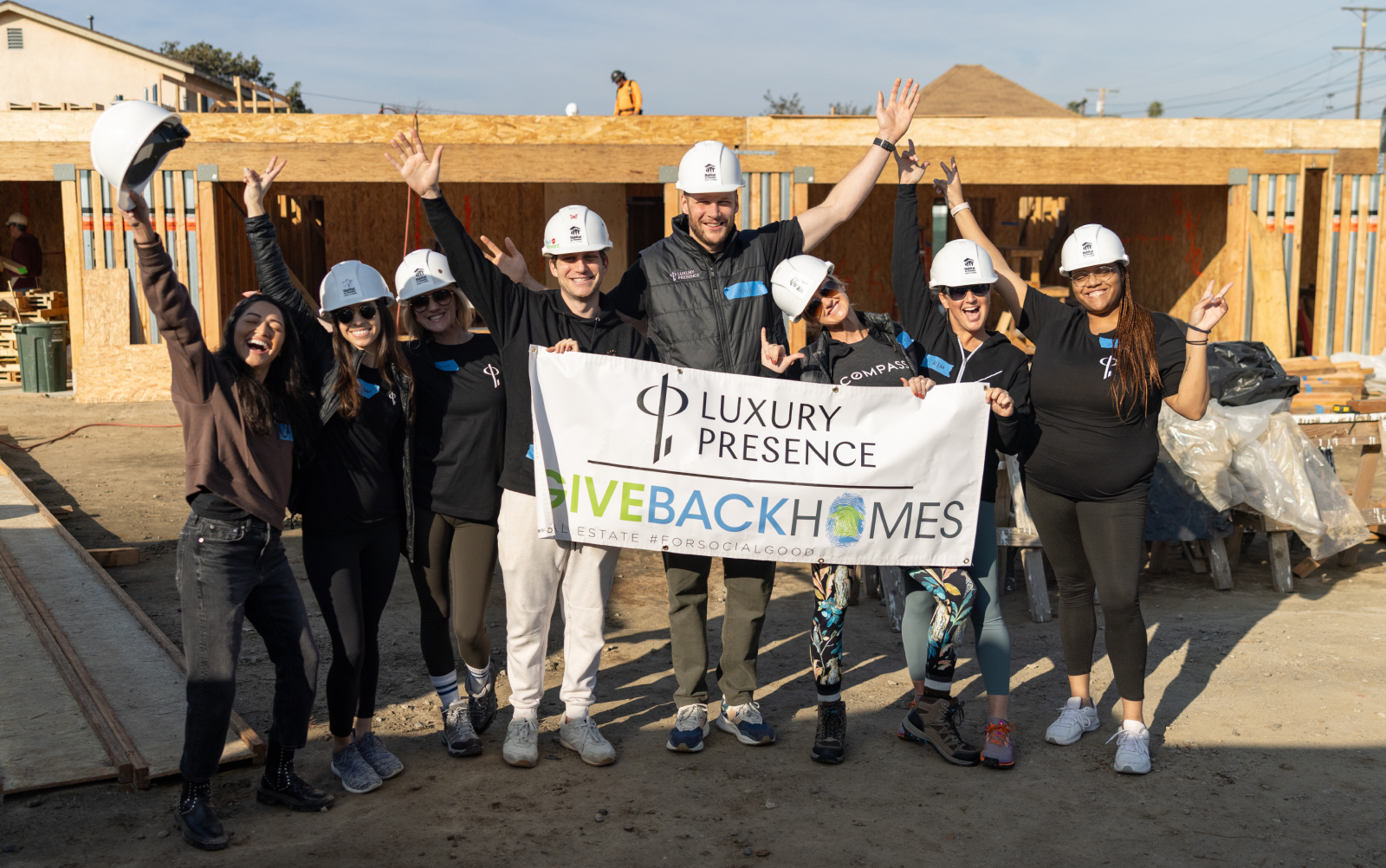
When you focus your networking efforts on supporting and beautifying your community, you create visibility that no ad budget can replicate. Community investment has a direct effect on property values, which benefits both homeowners and the agents who serve them. When you are the agent who organized the neighborhood cleanup or sponsored the mural project, that association follows you into every listing conversation.
Here are ideas to get you started:
- Establish a community garden
- Organize local trash cleanups
- Turn your office into a gallery for local art
- Establish a photography contest with your town as the subject
- Sponsor a mural project
- Start a tree-planting initiative
- Sponsor a local kids’ sports team
- Mentor high school students interested in real estate as a career
- Host a food drive and provide incentives to boost donations
- Organize a fundraiser like a charity walk or silent auction
- Host a pet adoption event
Joining organized service clubs like Kiwanis International (a global community service organization), Rotary International (a worldwide network of civic leaders), or Junior League (a women’s organization focused on community voluntarism) can help you narrow down your ideas and connect with local members who are serious about both networking and service.
Develop your lead nurturing strategy
Turn leads into clients with our free scripts, follow-up schedules, and communication tips.
Post and engage on social media
Social media is a cost-effective networking tool that lets you stay visible to your sphere every single day. With multiple platforms to choose from, you can connect with your network in a way that is authentically true to yourself and your brand.
Your social media strategy should have two parts: posting your own content and engaging with other people’s content. Your professional pages are great places to share local market knowledge, promote your events, and start conversations with your followers.
Facebook and LinkedIn offer group features where you can engage with other users based on interest, location, and occupation. Once those conversations get going, you need to keep participating. Offer advice, ask questions, and be part of what is happening at the hyperlocal level.
Repost relevant items from your network and comment on other people’s content. On Instagram, Reels and Stories with interactive content like polls are among the highest-reach formats available to agents in 2026. Determine a cadence and strategy that feels authentic to you and doable given your schedule, then stick to it.
Get out there and shake some hands
Real estate networking happens wherever people gather, not just at formal industry events. Social organizations, alumni groups, sports teams, charities, clubs, and professional groups give you direct access to people who share your interests. That shared context makes it easier to build genuine connections with potential clients, referral sources, and industry peers.
The same principle applies to every relationship you build in a recreational league, a language class, or a volunteer crew.
Participation in clubs and groups also keeps you informed about local trends, market developments, and community happenings, which strengthens your credibility when you sit down with a buyer or seller.
Many cities offer sports leagues ranging in levels of competitiveness and skill. For those who are not interested in athletics, art classes, groups for practicing a second language, book clubs, and game nights are all casual and friendly options for connecting with community members from a wide range of backgrounds.
Networking format comparison
Not every networking tactic serves the same purpose. The table below breaks down the five main formats covered in this guide by time commitment, reach, and the type of relationship each one builds best.
| Networking format | Time per month | Reach per touchpoint | Best for |
| Community events | 8 to 15 hours (planning + hosting) | 20 to 200+ attendees | New contact acquisition, local brand visibility |
| Pop-by visits | 2 to 4 hours | 1 person per visit | Deepening existing relationships, staying top of mind |
| Phone calls | 2 to 3 hours | 1 person per call | Referral generation, post-close follow-up, feedback |
| Email campaigns | 1 to 2 hours (with CRM) | Entire database per send | Consistent sphere nurture, market updates, event promotion |
| Social media | 3 to 5 hours | Hundreds to thousands per post | Daily visibility, hyperlocal engagement, brand building |
The strongest agents in 2026 do not rely on a single format. They combine two or three of these tactics into a weekly rhythm that keeps them visible across every segment of their sphere.
That is the mindset behind every tactic in this guide. Every person you meet at a block party, every past client you call, and every comment you leave on a neighbor’s Instagram post has the potential to multiply your reach far beyond the original interaction. The question is not whether you have time for all 40+ ideas. The question is which three or four you will commit to this month and execute with consistency.
Building a Real Estate Network That Lasts
The strongest real estate networking strategies are the ones you can repeat consistently, whether that means hosting community events, making one-on-one check-ins, staying active on social media, or showing up through service. When you combine a few of these tactics into a steady routine, you create more visibility, stronger relationships, and a referral pipeline that grows over time. The key is to choose the formats that fit your strengths and commit to them long enough for the relationships to compound.
FAQs
Post with confidence
Maintaining a consistent, on-brand social media presence is crucial in real estate. Download our social media calendar for 30 days of inventive content ideas tailored to the industry.
About the author

Marketing Manager
Kate Evans is a content marketing strategist at Luxury Presence, the leading growth platform for high-performing real estate professionals. She develops data-driven editorial content and supports SEO strategy and brand voice frameworks that help agents attract qualified leads and establish market authority. Her published work covers topics including CRM strategy, social media marketing, and digital growth, supporting thousands of agents in scaling their businesses through modern marketing.