Your real estate headshots are often the very first thing a potential client sees, whether they find you through a search engine, a social media profile, or a yard sign. In 2026, when the vast majority of home buyers begin their search online, that single image carries more weight than most agents realize. A strong headshot communicates confidence, warmth, and credibility in a matter of seconds. It tells prospects, “I take my business seriously, and I’ll take your goals seriously, too.” This guide walks you through everything you need to know about planning, shooting, and using real estate headshots that genuinely reflect who you are and attract the clients you want to serve.
Find It Fast
Key takeaways
- A professional real estate headshot builds trust before a prospect ever speaks with you, making it one of the highest-impact branding investments you can make.
- Hiring a skilled photographer and aligning on your brand vision before the shoot will save time, money, and reshoots.
- Wardrobe, location, hair, and makeup should all reinforce the same brand message, whether that message is approachable, polished, or community-focused.
- AI headshot tools offer a budget-friendly alternative in 2026, but the final image should still look like the real you.
- Consistency matters: use the same headshot across your website, social media, business cards, and listing materials so clients recognize you everywhere.
- Plan to refresh your headshot every one to two years, or whenever your appearance changes noticeably.
Why your real estate headshot matters in 2026
Your headshot is a core piece of your personal brand. Whether a prospect first encounters it on your website, your LinkedIn profile, or a printed business card, this single image shapes how people feel about working with you. Research from Princeton University found that people form reliable impressions of trustworthiness in as little as 100 milliseconds of seeing a face (Willis & Todorov, Psychological Science, 2006). That means your headshot is doing significant work before a prospect ever reads your bio.
A professional headshot conveys trust, approachability, and competence. LinkedIn’s own data shows that profiles with a professional photo receive up to 21 times more profile views and 9 times more connection requests than profiles without one (LinkedIn, 2023). For real estate agents, where relationships drive referrals and repeat business, those numbers translate directly into new conversations and new clients.
A well-crafted headshot does more than introduce you. It helps attract the right clients. When your image aligns with your brand, whether that brand says “neighborhood expert,” “downtown condo specialist,” or “waterfront luxury,” you signal to prospects that you understand their world. That alignment builds connection before the first handshake ever happens.
Your brand starts here
Use this companion to Josh Flagg’s masterclass to elevate your marketing and sharpen your online presence.
Steps to achieving the best real estate headshots
If the idea of a photo shoot feels overwhelming, take a breath. The process is straightforward once you break it into clear steps. Below is an eight-step framework that covers everything from hiring the right photographer to requesting final edits.
1. Hire a professional photographer
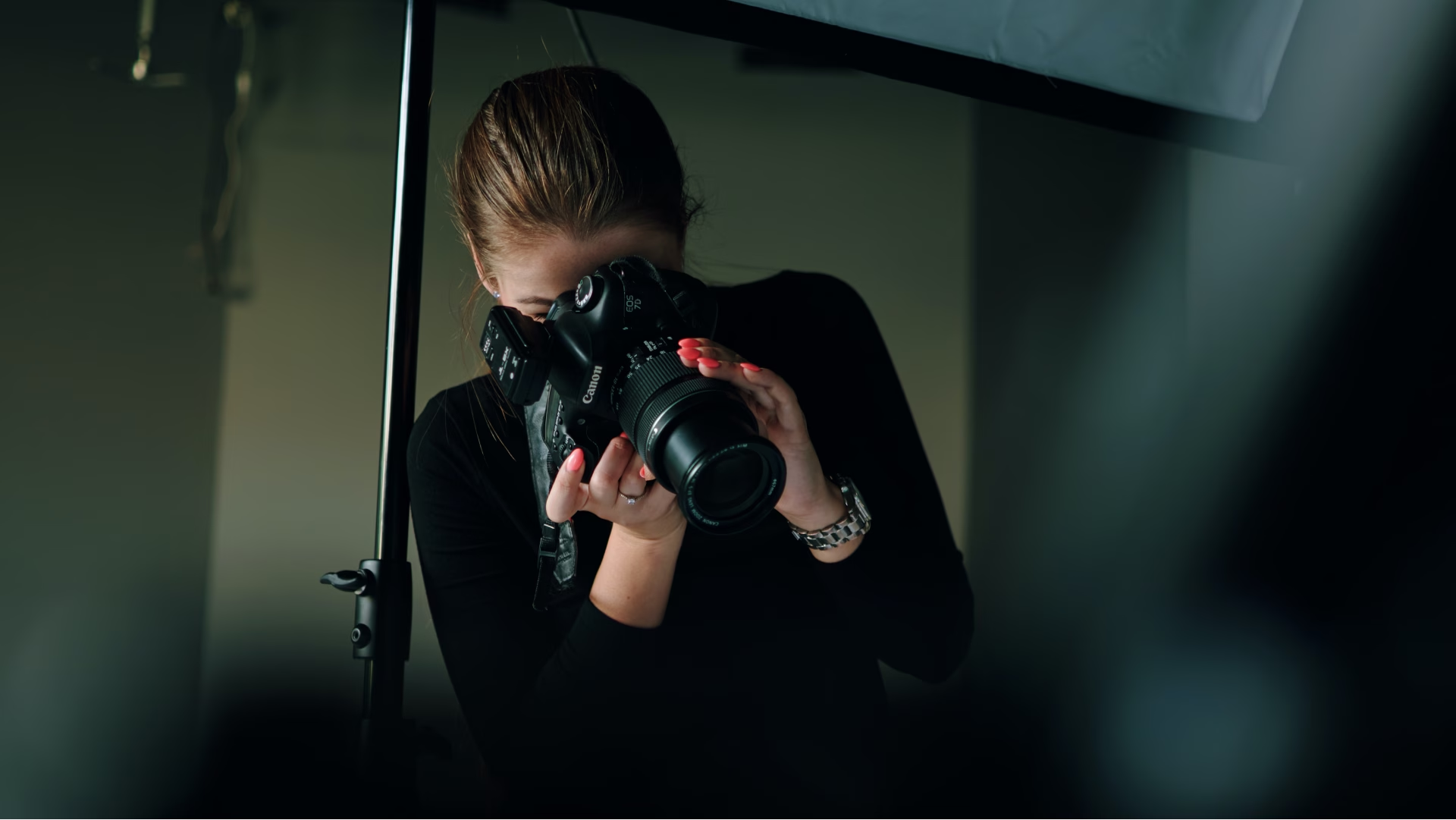
Investing in a professional photographer is one of the smartest moves you can make for your brand. A skilled photographer knows how to work with lighting, angles, and expression to capture your personality in a way that resonates with your target audience. When choosing a photographer, review their portfolio, ask for references from other agents, and confirm they have experience shooting professional headshots (not just weddings or events).
In 2026, professional real estate headshot sessions typically cost between $150 and $800, depending on the photographer’s experience, location, number of final images, and whether hair and makeup services are included. High-end photographers or sessions that include wardrobe styling may run higher. Think of this as a branding investment, not just a photo expense.
2. Align on the vision
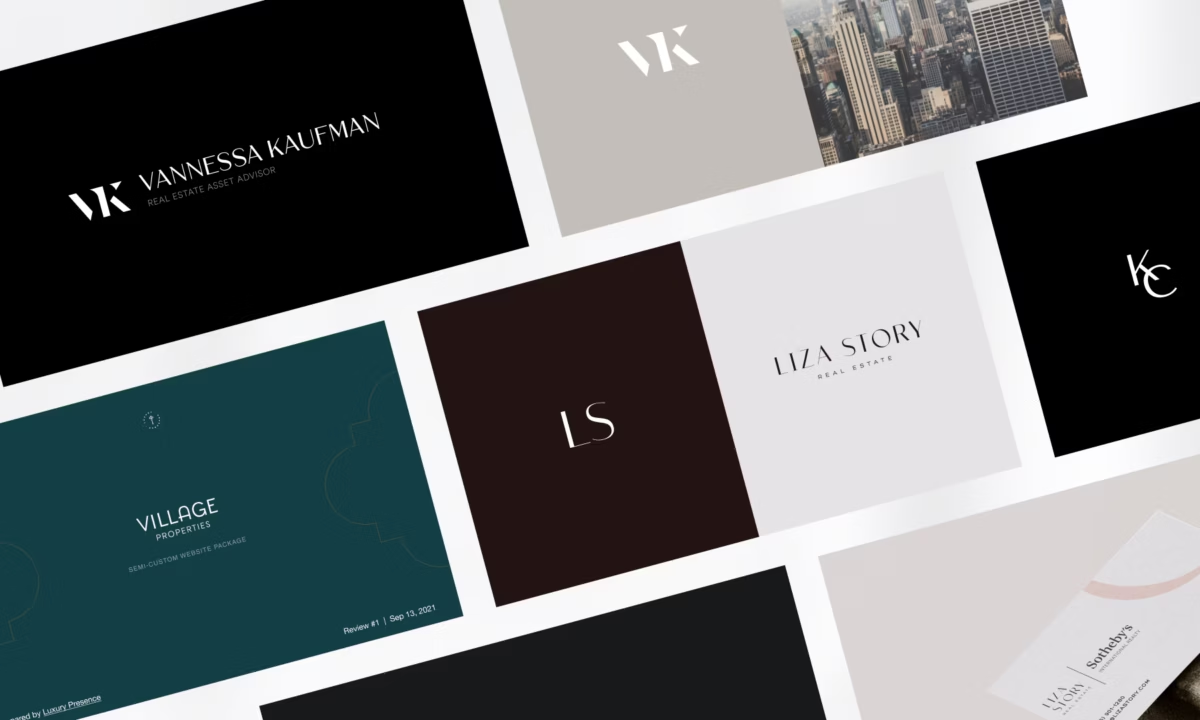
Before your shoot, have a detailed conversation with your photographer about your brand, your target audience, and the feeling you want the headshot to communicate. Send them your bio and any marketing materials that represent your brand. If you have a brand book, share it in advance.
Discuss your style preferences, potential locations, and outfit choices so everything supports the same message. This preparation helps your photographer capture the essence of your professional identity without guesswork on shoot day.
3. Choose the right location
The setting of your headshot shapes the impression it makes. Choose a location that complements your niche or market focus. If you specialize in luxury homes, consider a high-end property as your backdrop. If you work primarily in urban areas, a cityscape might be more fitting. The location should reinforce your brand story, not distract from it.
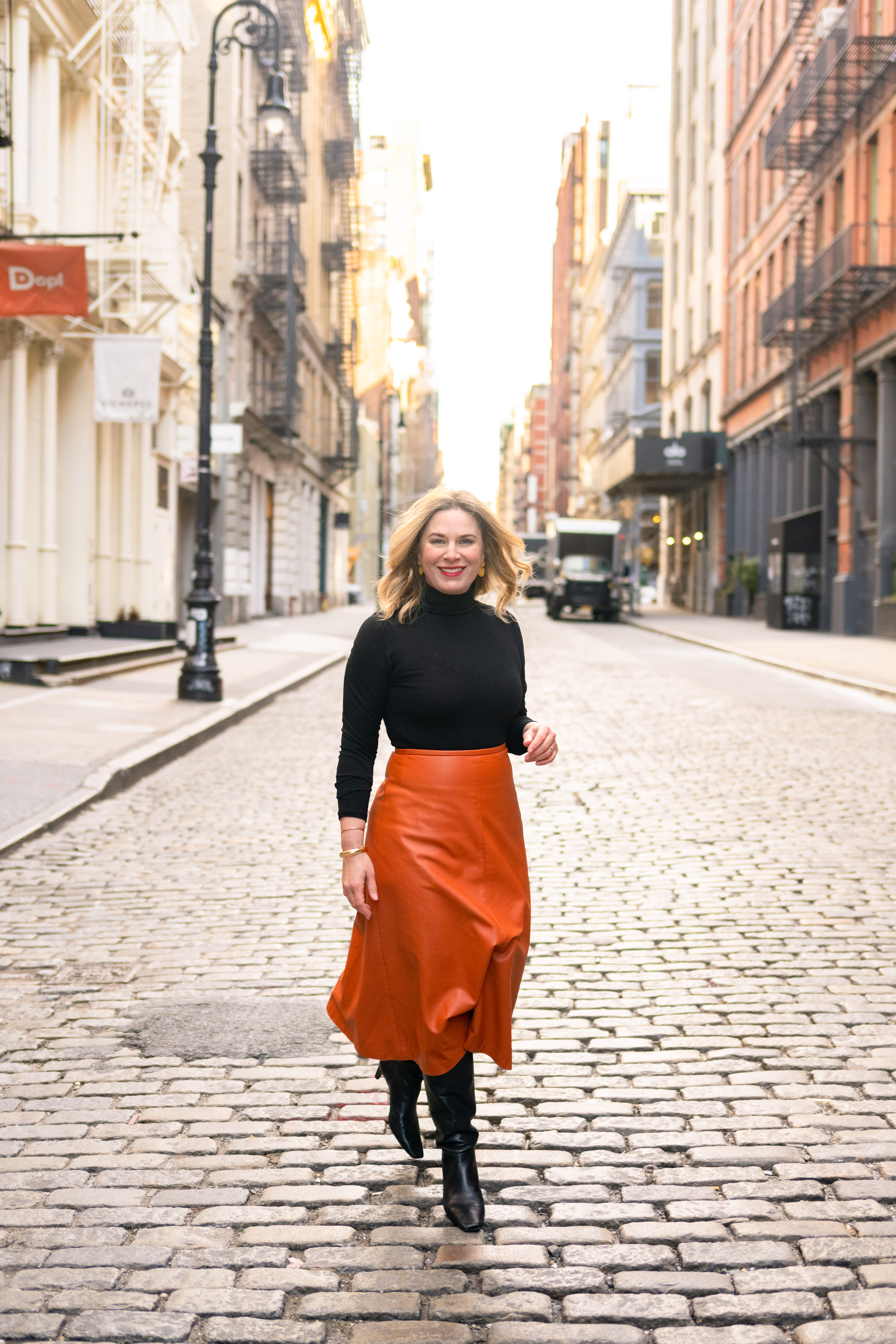
Corcoran Group team leader Holly Sose does a wonderful job of positioning her professional photo in her geographic market. Her image distinguishes her as a real estate agent who genuinely knows the streets of New York, not just someone who works there.
4. Select appropriate attire
Your clothing should reflect the professionalism you bring to every client interaction. Solid, neutral colors like navy, gray, or white tend to photograph well. Busy patterns can pull attention away from your face, which is the focal point of any headshot.
Keep in mind that what photographs well is not always what looks best in person. You may want two different looks: a more formal option for your website and business cards, and a slightly more relaxed option for social media or community-focused marketing. Your attire should match the message you want to send, whether that is polished sophistication or approachable warmth.

Austin-based agent Nile Lundgren’s headshot is a strong example of polished professionalism. His tailored blue suit and refined accessories convey confidence, making him both approachable and authoritative at the same time.
5. Pay attention to hair and makeup
Consider hiring a professional hairstylist and makeup artist for shoot day. If you are comfortable doing your own makeup, stick with a natural, minimalist approach. The goal is to look like the best version of yourself, not a different person. Keep it simple and refined so the final image feels authentic.
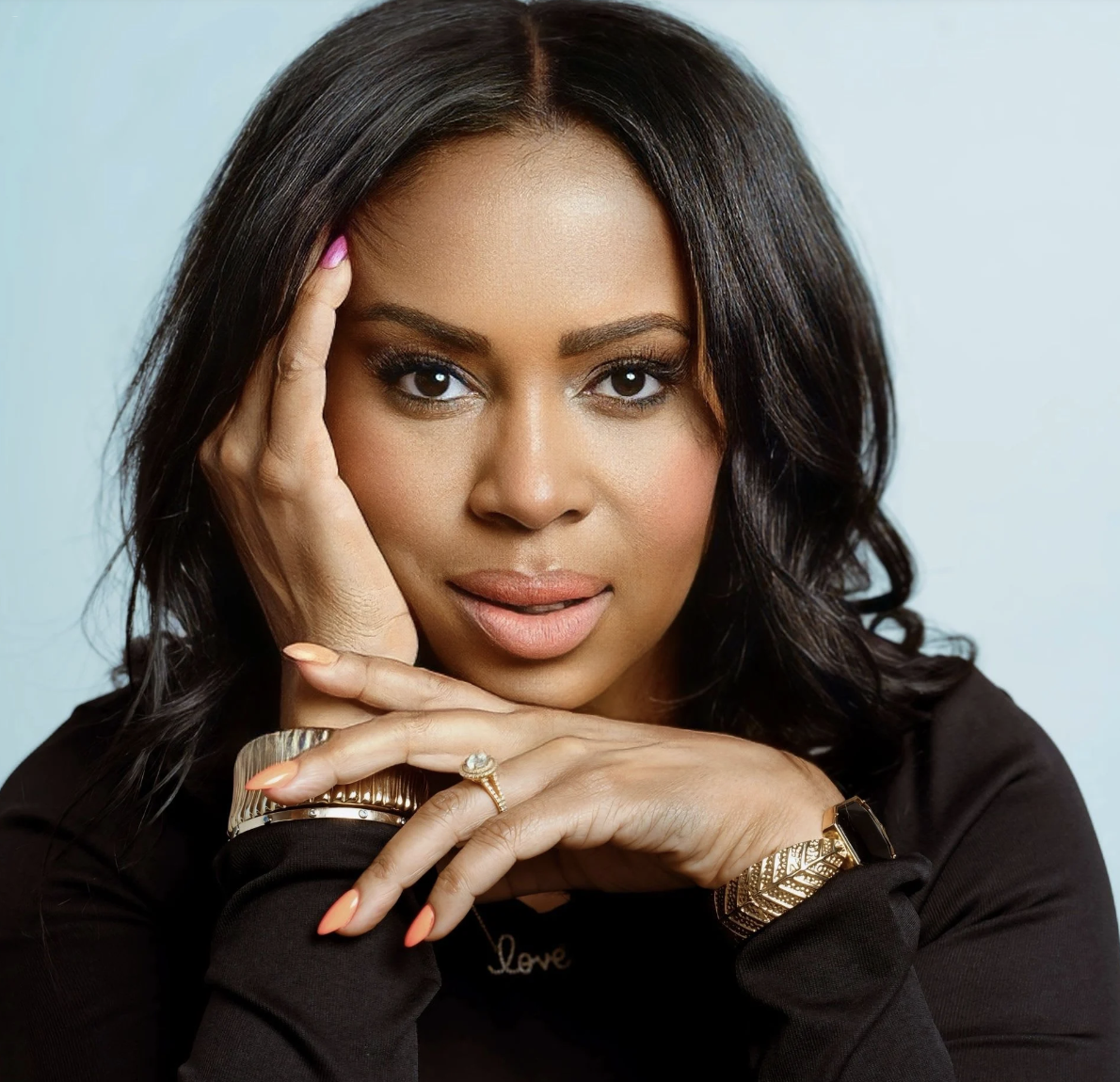
Bay Area agent Tricia Lee nails the essentials here. Her hair, makeup, and accessories all work together to create a look that is polished yet approachable. The clear message: confident, professional, and camera-ready.
6. Use props strategically
Thoughtfully chosen props can add a subtle layer of personality to your headshot and reinforce your brand. Consider understated items that suggest connection to your market, such as a set of keys, a leather portfolio, or architectural details in the background.
The key word is “subtle.” Props should complement your image, not compete with it. If a viewer notices the prop before they notice you, it is doing too much.
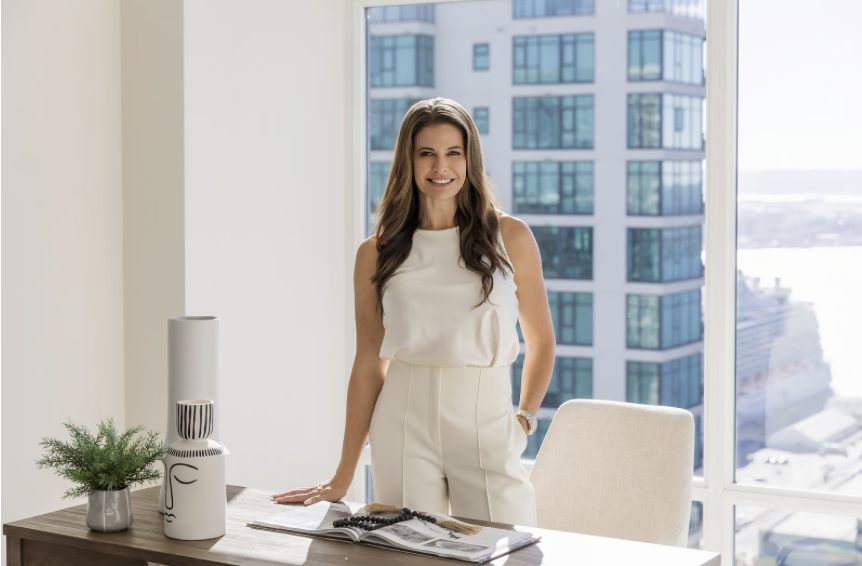
Jeannine Savory of The Savory Group uses a tastefully positioned book and a few decorative objects on her desk. These details suggest attention to detail and knowledge without pulling focus from her face or expression.
7. Prepare for the photo shoot
On the day of the shoot, give yourself more time than you think you need. Arrive early, practice good posture, and take a few moments to relax before stepping in front of the camera. A genuine, relaxed smile reads far better than a stiff or forced one.
Here are a few specific tips to keep in mind during the session:
- Plan for 60 to 90 minutes. This gives you enough time to warm up, try different angles, and shoot in multiple outfits without feeling rushed.
- Aim for at least 3 to 5 usable final shots. You will want options for different platforms and uses.
- Angle your body slightly. Turning about 15 degrees from the camera creates a more flattering, natural look than facing it straight on.
- Relax your shoulders. Tension in your shoulders shows up immediately in photos. Drop them down and back before each set of shots.
- Think of someone you genuinely like. This creates a warm, natural expression that reads as approachable rather than posed.
- Take breaks. Posing for extended periods is more tiring than you might expect. Step away, stretch, and reset as needed.
8. Suggest edits as needed
After your session, review the proofs and select the shots that best capture your personality and brand. Communicate with your photographer about any specific retouching needs, such as adjusting lighting or refining the background.
Keep edits subtle and natural. Overly airbrushed photos can feel inauthentic and may not match how you look in person, which creates a disconnect when clients meet you for the first time. Once you have finalized your images, resize them for different platforms so they meet the required dimensions for social media profiles, business cards, and websites.
Using AI for your real estate headshots in 2026
Artificial intelligence has made it possible to generate a professional-looking headshot without booking a traditional photo session. As of 2026, several AI headshot platforms offer a cost-effective and convenient alternative, especially for agents who need a polished image quickly or are working with a limited budget.
These tools typically ask you to upload a set of selfies or casual photos, then use AI to generate headshots with adjusted backgrounds, lighting, attire, and expressions. The results can be surprisingly good, but they work best when you upload at least 10 to 15 high-quality source images with varied angles and lighting.
Here is a comparison of popular AI headshot tools available in 2026:
| Tool | What it does | Starting price | Turnaround time | Best for |
| Remini (AI photo enhancer) | Enhances and upscales existing photos into headshot-quality images | Free tier available | Minutes | Agents who already have a decent photo and want to improve it |
| Dreamwave (AI portrait generator) | Creates studio-style headshots from uploaded selfies | $29 per session | 1 to 2 hours | Agents who want multiple background and outfit options |
| HeadshotPro (batch AI headshot platform) | Generates large batches of headshots for individuals or teams | $29 per person | About 2 hours | Teams or brokerages that need consistent headshots across agents |
| AI SuitUp (AI outfit and headshot tool) | Swaps outfits and generates professional headshots from casual photos | $10 per session | Under 1 hour | Agents on a tight budget who want a quick, polished look |
One important note: while AI tools can deliver compelling visuals, the final image should still look like you. If a prospect meets you in person and you look noticeably different from your headshot, that gap can erode the trust you worked to build. Use AI as a starting point or a supplement, not a replacement for authenticity.
Where to use your real estate headshots
Once you have your final images, update every platform where clients might find you. This includes your website, social media profiles, email signature, listing presentations, business cards, and any digital marketing platforms you use.
Consistency across platforms is one of the simplest ways to build recognition and trust. When a prospect sees the same face on your Instagram, your website, and your yard sign, it creates a sense of familiarity. That familiarity makes them more comfortable picking up the phone.
Your online presence, starting with your headshot, is often the first conversation you have with a client. Make sure that conversation reflects who you really are.
Plan to refresh your headshot every one to two years, or sooner if your appearance changes noticeably (a new hairstyle, glasses, or significant weight change). Even if your look has stayed the same, an updated photo signals that your brand is current and active. Building an ongoing relationship with your photographer can make these updates feel easy rather than like a big production.
Personal branding and your headshot
Your headshot is not a standalone asset. It is the visual anchor of your entire personal brand. When your headshot, bio copy, website design, and marketing materials all tell the same story, prospects get a clear, consistent picture of who you are and what it is like to work with you.
Here are a few ways to make sure your headshot works in harmony with the rest of your brand:
- Match your website’s color palette. If your site uses cool tones, a headshot with warm, golden lighting may feel out of place. Share your brand colors with your photographer so they can plan accordingly.
- Use the same image across all platforms. Resist the temptation to use a casual selfie on Instagram and a formal headshot on your website. Consistency builds recognition.
- Update your headshot and bio at the same time. When you refresh one, refresh the other. This keeps your messaging aligned and prevents a disconnect between how you look and how you describe yourself.
- Think beyond the headshot. Consider booking a session that also captures lifestyle and environmental shots, such as you walking through a neighborhood or meeting with clients. These images give you more content to work with across your marketing.
Luxury Presence websites are designed to showcase your headshot and bio in a way that reinforces your brand from the very first click. With design built specifically for real estate professionals, your headshot becomes part of a larger visual story that attracts the right clients and builds credibility before you ever meet in person.
Luxury Presence can elevate your marketing strategy
Learn how we can help take your real estate business to the next level. Schedule a time to speak with one of our branding experts today.
FAQs
Your brand starts here
Use this companion to Josh Flagg’s masterclass to elevate your marketing and sharpen your online presence.
About the author

Marketing Manager
Kate Evans is a content marketing strategist at Luxury Presence, the leading growth platform for high-performing real estate professionals. She develops data-driven editorial content and supports SEO strategy and brand voice frameworks that help agents attract qualified leads and establish market authority. Her published work covers topics including CRM strategy, social media marketing, and digital growth, supporting thousands of agents in scaling their businesses through modern marketing.