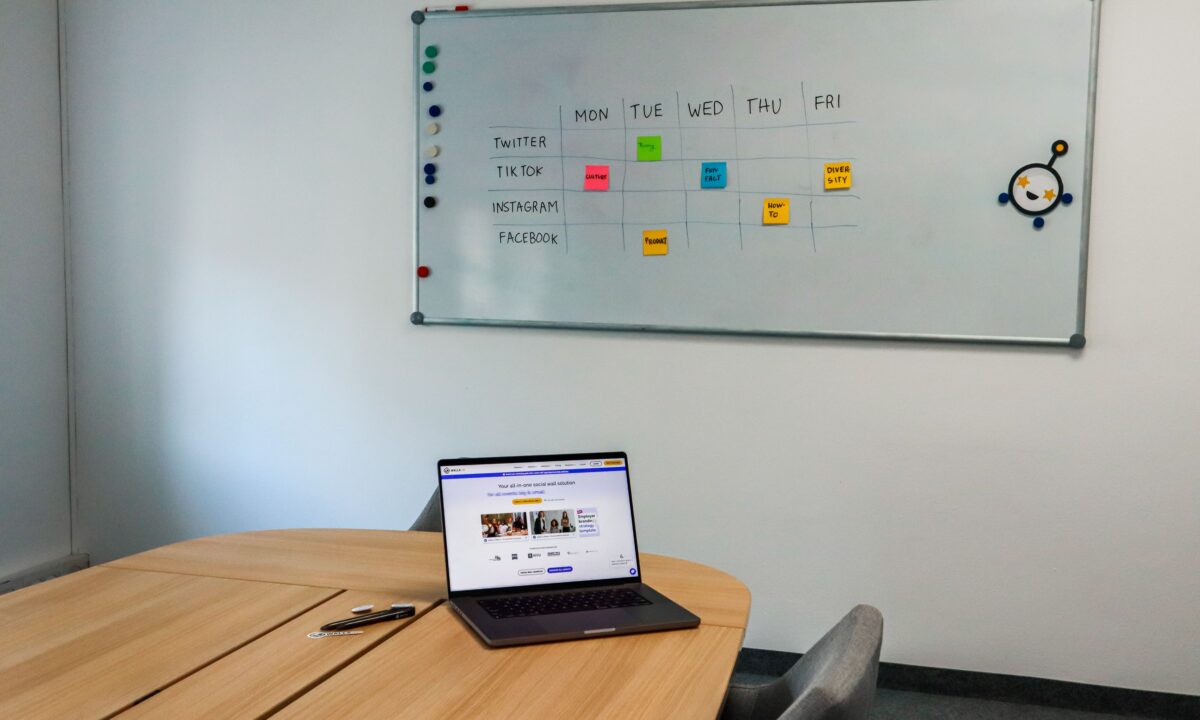
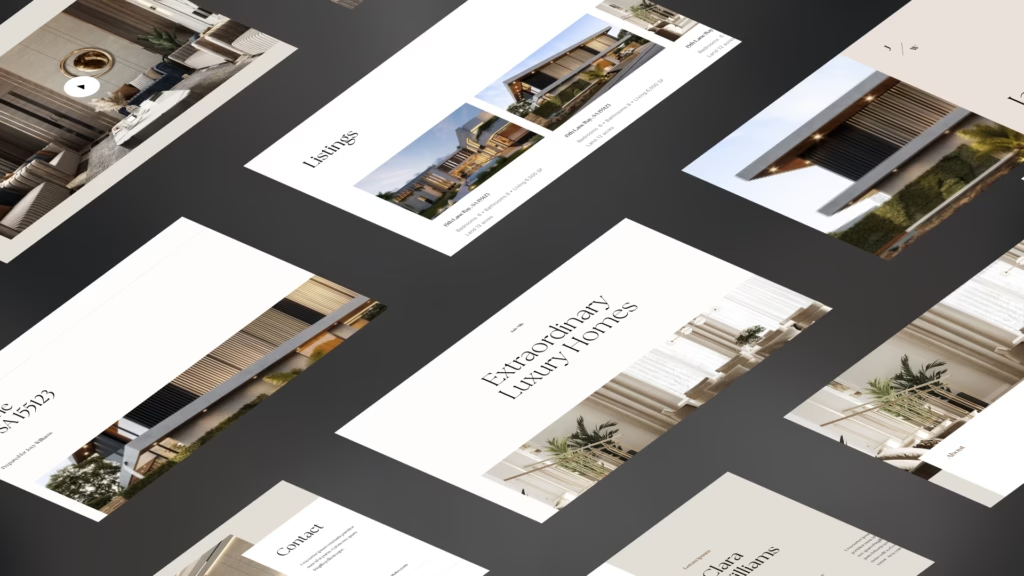
In 2026, real estate agents are expected to show up everywhere: Instagram, YouTube, email, blogs, listing platforms, and more. The pressure to create fresh content for every channel is real, and it is exhausting. But here is the good news: you do not need to start from scratch every time. A real estate content repurposing strategy gives you a system for turning one strong piece of content into five, ten, or even twenty assets across platforms. Research published in 2025 found that brands using systematic repurposing get 10–20x more distribution from the same effort and can cut content creation time by 60–80% while increasing reach by 300% (Jeff Lenney, 2026). That trend has only accelerated as more agents adopt structured repurposing workflows in 2026. This guide walks you through exactly how to do it, step by step, with real estate examples you can put to work this week.
Key takeaways
- One listing video, blog post, or client Q&A session can become dozens of content pieces across social media, email, your website, and more.
- A structured repurposing workflow (what we call the "One-to-Many" method) saves most agents 5–10 hours per week on content creation.
- AI-powered tools can speed up reformatting, transcription, and content calendar planning without sacrificing your voice or brand.
- Adapting format, tone, and delivery for each platform lets you reach buyers doing deep research and sellers scrolling on a lunch break with the same core message.
- Consistency across channels builds trust, and trust wins listings in competitive markets.
- Nothing needs to be published without your review and approval, whether you repurpose manually or use a marketing system like Luxury Presence's Social Media Management.
Why your content should work as hard as you do in 2026
According to Luxury Presence internal data, the platform generated more than 100 million visitor sessions in 2024, the most recently published figures available. That volume of traffic means every blog post, video, and social caption needs to do more than simply exist. It needs to convert interest into action. The problem is that most content gets created, posted once, and forgotten. Reformatting that same content for different channels turns a single-use post into a high-impact asset that keeps working for weeks or months. Whether it is a market update on Instagram, a neighborhood spotlight blog, or a video walkthrough of a listing, every piece of content you create has multiple lives. The key is knowing how to extend its value. As real estate marketing coach Marki Lemons-Ryhal put it: "Record once, then repurpose everywhere" (Florida Realtors, 2026). That single idea is the foundation of a real estate content repurposing strategy that actually scales.
"As soon as we get a new listing and we're representing a new property, we get as much content as possible so that we can run with it for the coming months."
— Anna Sherrill, Guthrie Schofield Group
Anna's approach is a perfect example of the "One-to-Many" repurposing method: capture content once, then distribute it across every channel your audience uses. The rest of this guide shows you exactly how to build that workflow into your business.
Seven ways to repurpose real estate content across platforms
Repurposing is not about recycling old blog posts or reposting the same video with a new caption. It is about reformatting your strongest content for different audiences, platforms, and points in the buyer or seller journey. For real estate professionals, this approach saves hours each week and keeps you visible without starting from zero every time. Here are seven practical ways to build a repurposing workflow across your marketing ecosystem.
1. Turn listing videos into short-form social clips
You already invest time creating high-quality listing videos. Slice each one into 15- to 30-second clips for Instagram Reels, TikTok, Facebook Stories, and YouTube Shorts (all short-form vertical video formats, typically under 60 seconds). Each clip can highlight a single feature: the chef's kitchen, the spa-like bathroom, or the view from the deck. Use captions and text overlays with hooks like "You won't believe this closet" or "Peek inside this Hollywood Hills oasis." Then link to the full listing or your website. One three-minute listing video can produce five to eight standalone clips, giving you a week or more of social media posts from a single shoot.
2. Turn blog posts into visual social carousels
If you publish blog content like "5 Things to Know Before Selling in Brentwood" or "What $2 Million Gets You in Austin," turn those insights into multi-slide carousels or quote graphics for Instagram and LinkedIn. Each slide can feature one tip, stat, or takeaway. Use Canva (a web-based graphic design platform) or a similar tool to design branded, on-theme slides that reflect your market knowledge. A single 800-word blog post can become a 7-slide carousel, three standalone quote graphics, and a summary caption, all in under 30 minutes.
3. Break down educational content into drip emails
A long-form buyer's or seller's guide does not have to live solely as a downloadable PDF. Repurpose that content into a five- to seven-part email welcome sequence for new leads. Each email can deliver one insight: financing tips, offer strategies, closing timelines, or staging advice. Set up the sequence through your customer relationship management (CRM) platform and include a call to action at the end of each email, whether it is to schedule a call, visit your website, or download a checklist. Agents who use drip sequences built from existing guides often see 20–30% higher open rates because the content has already been tested with their audience.
4. Use Q&A videos as content engines
If you host client webinars, Instagram Lives, or podcast interviews, clip out short, stand-alone answers to common questions: "How do I price my home in a cooling market?" or "Is now a good time to buy?" Add branded intros and calls to action to each clip and categorize them into playlists by topic. These are ideal for your YouTube channel or embedded FAQs on your website. A single 30-minute webinar can yield 8–12 standalone clips, each answering a question your prospects are already searching for.
5. Update and repost evergreen content
You do not always need to create something new. Go back to your best-performing blog posts or videos from last year and refresh them with updated stats or examples. Then republish the piece with a new intro or hook. Updating and republishing content signals relevance to search engines. Google's indexing systems prioritize recently modified pages for time-sensitive queries (Google Search Central, 2026). Use seasonal trends to make it relevant. Reframe "Home Staging Tips" for spring or "Pricing Strategies" for a fall market. Agents who refresh their top five blog posts quarterly often see a 15–25% traffic increase on those pages within 60 days.
6. Create highlight reels from testimonials and success stories
If a client gave you a glowing review or a memorable quote, use that to create content for social, email, and your website. You can turn one testimonial into a video reel, a "before and after" transaction story, or a carousel showing the challenge, your approach, and the result. Combine three or four testimonials into a 30-second sizzle reel that builds trust and showcases your value. Testimonial-based content consistently outperforms generic posts in engagement because it shows real outcomes, not just promises.
7. Build market update roundups
Each month, you likely reference market stats, interest rates, or local activity in conversations. Turn those into recurring content pillars: a monthly blog post, a one-minute "Market Monday" video, or a snapshot graphic. Then distribute those across your newsletter, Instagram, and LinkedIn. Pro tip: Include your commentary, not just raw stats. That is what positions you as the go-to voice in your market, not just a reporter of numbers. Agents who publish monthly market roundups and repurpose them into three to four social posts per update report a noticeable uptick in inbound inquiries from sellers who want to understand their home's value.
How to repurpose property listings into blog content
One of the most overlooked real estate content marketing ideas is turning your own listings into blog posts. Every property you represent contains neighborhood data, lifestyle details, and market context that buyers are actively searching for. Instead of letting that information live only on the MLS, use it to create SEO-friendly blog content that drives traffic to your site for months. Here is a simple framework for turning a single listing into multiple blog angles:
| Listing detail | Blog post angle | Target audience |
| Neighborhood name and walkability | "A Local's Guide to Living in [Neighborhood]" | Relocating buyers |
| Price point and comparable sales | "What $X Gets You in [City] in 2026" | Price-conscious buyers |
| Architectural style or renovation details | "Mid-Century Modern Homes in [Area]: What to Know" | Design-focused buyers |
| School district and family amenities | "Best Neighborhoods for Families in [City]" | Family buyers |
| Investment potential or rental income | "Is [Neighborhood] a Good Real Estate Investment in 2026?" | Investors |
The Guthrie Schofield Group used a version of this approach and saw a 48% increase in organic traffic, ranking for 6,147 non-branded keywords and generating buyer leads at $21 per lead (Source: Luxury Presence Case Study: Guthrie Schofield Group, 2026). One blog post from that strategy even contributed to a multimillion-dollar sale. The takeaway: your listings are not just inventory. They are content goldmines.
Using AI for real estate content repurposing in 2026
Artificial intelligence is reshaping how real estate professionals approach marketing, and content repurposing is one of the strongest use cases. As Serhant noted in their 2026 industry outlook, "agents are using AI to support the work they already do well... AI helps reduce friction and create consistency" (Serhant, 2026). With the right tools, you can automate parts of the repurposing process and save hours each week while keeping your brand voice intact. Here is how AI can make reformatting content faster and more consistent.
1. Summarize long-form content into short formats
For example, take a 1,000-word blog post on "5 Mistakes First-Time Sellers Make." Use AI to turn each point into a LinkedIn post or an Instagram carousel slide without losing your tone. A single blog post can yield five social posts in under 15 minutes.
2. Generate headline and caption variations
Writing multiple titles or social captions for one piece of content can eat up your afternoon. AI can generate dozens of headline and caption options with different tones, from professional to playful, so you can run an A/B test (comparing two versions to see which performs better) on each platform. For example, ask AI to suggest versions of "Why Fall is a Smart Time to Buy" for Instagram ("Thinking about buying this fall? Here's why it's smart") and for email subject lines ("3 Reasons to Buy Before the Holidays").
3. Transcribe and repurpose video and audio
AI-powered transcription tools like Otter.ai and Descript can turn your listing videos, podcast interviews, or Instagram Lives into written content for blogs, captions, newsletters, and more. Once transcribed, you can quickly identify sound bites and takeaways to reuse across channels. For example, record a neighborhood Q&A on your phone, upload it to a transcription tool, then use that text to create a blog post, five social posts, and a new section on your community page.
4. Automate visual creation
AI design platforms allow you to input text (like listing descriptions or blog excerpts) and instantly turn them into social-ready graphics, carousels, or story formats. No design experience needed. For example, drop your latest listing's bullet points into a template and generate branded graphics for Instagram, Facebook, and Stories within minutes.
5. Build content calendars in seconds
Struggling to plan your posts? AI can analyze your existing content and suggest a 30-day content calendar with suggested topics, formats, and post dates, all based on your brand goals or market focus. For example, feed AI a few blog titles or recent social posts and ask it to suggest a month's worth of repurposed content organized by day and channel. You walk away with a plan, not just ideas. Agents who batch their content planning this way often report spending about three hours to produce six or more weeks of material.
Matching format to audience intent
The real power of a content repurposing strategy is that it lets you meet clients where they are. A long-form blog might resonate with a seller doing in-depth research. A quick Instagram story might capture the attention of a buyer on their lunch break. The core message stays the same, but the format, tone, and delivery shift to match intent and context.
Why multichannel consistency matters
When a prospective client Googles your name or scrolls past your post, they should see the same voice, the same value, and the same level of engagement across every platform. For agents who serve competitive markets, this consistency is often the deciding factor in winning a listing. Buyers and sellers want to work with someone who clearly knows their market and communicates that knowledge everywhere.
How one asset becomes a long-lasting campaign
By turning high-effort assets into distributed campaigns, you extend your reach without increasing your workload. A listing video might generate traffic for months. A blog post might become a downloadable guide. A single newsletter can become multiple social posts, a podcast segment, and a YouTube short. The return on your time multiplies without adding cost or burnout.
"We have case studies where we've sold property through Instagram, where we had offers in hand before on MLS from social media. It's so powerful."
— Jose Prats, Real Estate Professional
Jose's experience underscores a point worth repeating: repurposed content does not just build awareness. It drives real transactions. When you show up consistently across channels with the same listing, the same market insight, or the same client story, you shorten the path from first impression to signed contract.
FAQs
Free social media templates
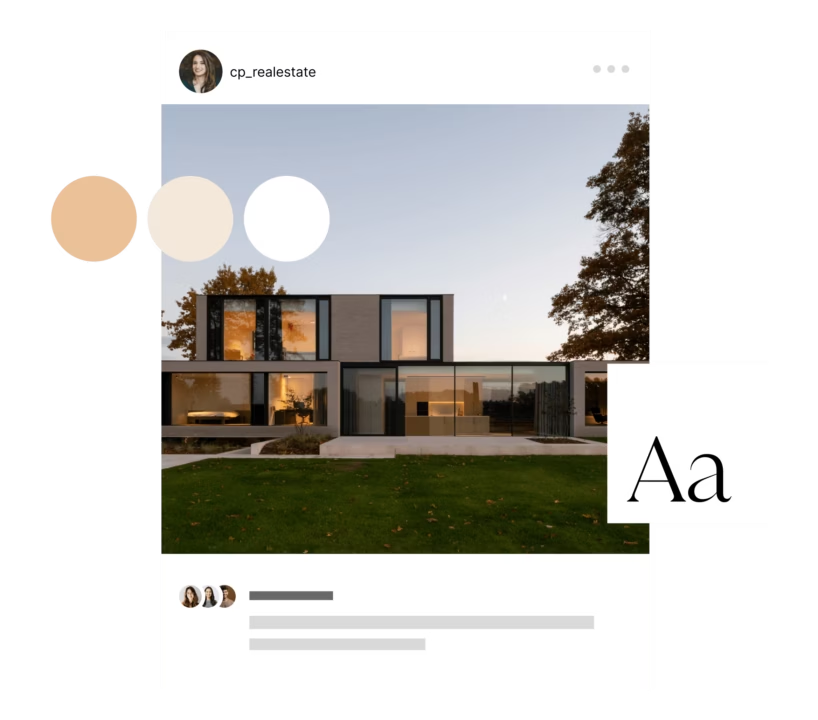
Ready to execute on these strategies but need a little design help? Our expert social media team put together three sets of engaging, on-brand post templates you can customize and deploy today.
Ready to grow?
Turn your content into your best lead source
See how Luxury Presence helps agents turn website visits into closed deals